
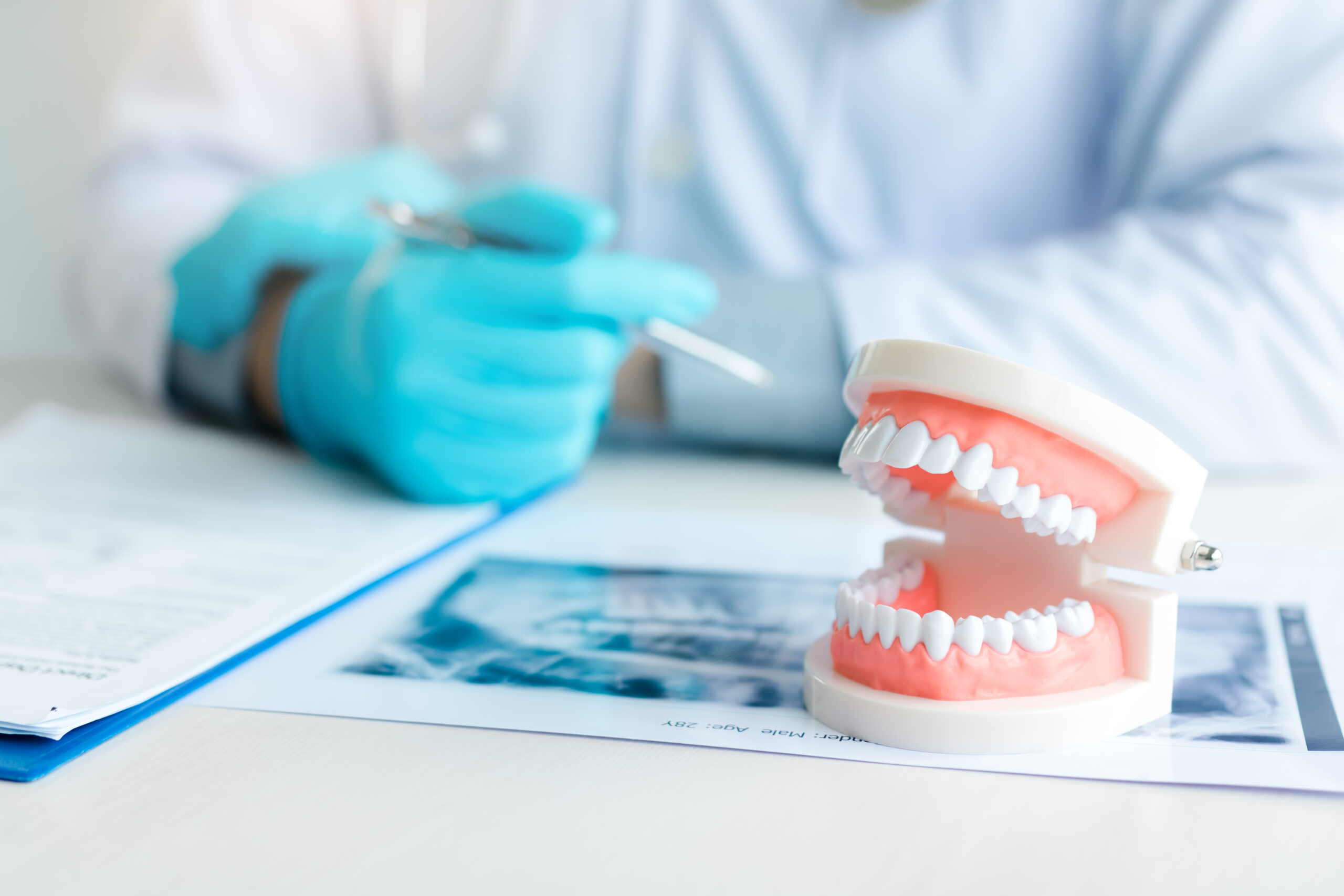
Tooth damage doesn’t always start with obvious pain. Many patients continue their daily routines—work, school drop-offs, family meals—while ignoring subtle dental changes that slowly worsen over time. Restorative dental care focuses on repairing and protecting teeth before minor problems turn into long-term oral health issues that affect comfort, function, and confidence.
In many cases, seeing a restorative dentist in Firestone early can prevent avoidable complications. Treatments such as dental crowns are designed to strengthen compromised teeth, restore natural chewing ability, and preserve the remaining healthy structure. Knowing when to seek care is key to maintaining a stable, healthy smile.
Dentist Insight: Why Early Restoration Matters

According to Dr. Josh Fowler, early restorative intervention plays a critical role in preventing more extensive dental damage. Teeth that are cracked, worn, or structurally weakened rarely improve on their own. Without timely treatment, small defects can deepen, allowing bacteria to enter and compromise the tooth further. Addressing these issues early often allows for more conservative solutions and helps patients avoid discomfort or complex procedures down the road.
Sign 1: Persistent Tooth Pain or Sensitivity
Ongoing tooth sensitivity or discomfort is one of the most common indicators that a tooth may need restorative care.
What causes it?
- Enamel wear exposing sensitive inner layers
- Cracks that allow temperature or pressure changes to reach the nerve
- Previous fillings that no longer provide adequate protection
Why it shouldn’t be ignored
Pain that lingers or worsens over time often signals structural weakness. Ignoring it may lead to further cracking or infection.
How crowns help
Dental crowns cover and reinforce the affected tooth, shielding it from external triggers and restoring comfortable function during everyday activities like eating or speaking.
Sign 2: Cracked, Broken, or Worn-Down Teeth
Visible damage to a tooth is a clear sign that restorative care may be needed, even if pain is minimal.
Common causes include:
- Biting down on hard foods
- Teeth grinding or clenching
- Age-related wear
Why prompt care matters
A cracked tooth can worsen with daily use. Small fractures may deepen, increasing the risk of infection or tooth loss.
Restorative solution
Crowns are custom-crafted to fit over damaged teeth, providing strength and stability while blending naturally with your smile.
Sign 3: Difficulty Chewing or Uneven Bite Pressure
If chewing feels uncomfortable or uneven, it may indicate that a tooth is no longer supporting your bite properly.
Possible reasons:
- Structural tooth damage
- Misshapen or weakened teeth
- Previous restorations that no longer fit correctly
Why this affects more than one tooth
When one tooth doesn’t function properly, surrounding teeth may compensate, leading to uneven wear and jaw discomfort.
How restoration helps
Crowns restore proper tooth shape and alignment, allowing for balanced chewing and reducing strain on neighboring teeth.
Why Local Restorative Care Matters in Firestone
Life in Firestone often means busy schedules, active families, and little time for unexpected dental problems. Access to timely, professional care close to home helps ensure dental issues are addressed before they interfere with daily life. Local restorative care allows for continuity, convenience, and treatment plans tailored to the needs of the community.
When to Schedule an Evaluation
If tooth pain, visible damage, or chewing discomfort persists, a professional evaluation can help determine whether restorative treatment is appropriate. Patients in Firestone can visit our Firestone dental practice for a thorough assessment and clear guidance on next steps. At Benchmark Dental Care, early evaluation allows concerns to be addressed before they progress, helping protect long-term oral health while supporting comfortable, confident smiles.
Frequently Asked Questions
What does restorative dentistry focus on?
Restorative dentistry repairs damaged or weakened teeth to restore function, strength, and appearance.
How do dental crowns protect a tooth?
Crowns fully cover a compromised tooth, reinforcing it and preventing further damage or decay.
Is tooth sensitivity always a sign of damage?
Not always, but persistent sensitivity often indicates enamel wear or structural weakness that should be evaluated.
How long does a dental crown last?
With proper care, crowns can last many years, often over a decade.
Does getting a crown hurt?
The procedure is typically comfortable, and modern techniques help minimize discomfort during and after treatment.
How soon should a cracked tooth be treated?
Prompt evaluation is recommended, as cracks can worsen quickly with normal chewing.
When should I see a restorative dentist?
If you notice ongoing pain, visible damage, or difficulty chewing, it’s best to schedule an evaluation sooner rather than later.


