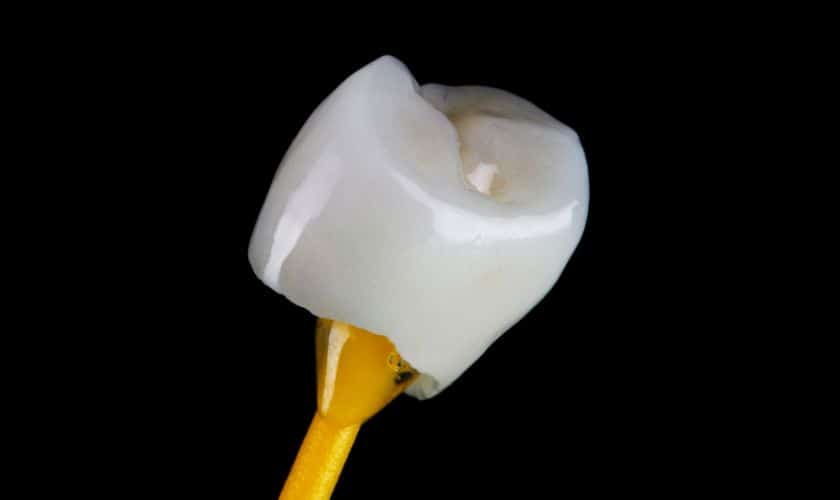
Dental crowns are an invaluable solution for restoring damaged or compromised teeth, providing both functional and aesthetic benefits. To ensure the longevity and effectiveness of your dental crowns, proper care and maintenance are essential.
Tips for long-term maintenance of your dental crowns
Adopting Good Oral Hygiene Habits:
The foundation of dental crown care begins with maintaining excellent oral hygiene. Brush your teeth at least twice a day, using a soft-bristled toothbrush and fluoride toothpaste. Pay special attention to the gumline and the area around your dental crowns.
Flossing Around Dental Crowns:
Incorporate daily flossing into your oral care routine. Gently glide dental floss between the teeth and around the base of the crowns to remove any plaque or debris that may accumulate.
Choosing the Right Dental Products:
Use dental care products that are suitable for crowns. Your dentist can recommend a non-abrasive toothpaste and an antimicrobial mouthwash to keep your dental crowns clean without causing damage.
Avoiding Hard and Sticky Foods:
Be mindful of your diet to prevent unnecessary stress on your dental crowns. Avoid chewing on hard objects, such as ice or pens, and steer clear of sticky foods that could dislodge or damage the crowns.
Wearing a Night Guard:
If you grind your teeth at night, consider wearing a night guard. Teeth grinding can exert excessive pressure on dental crowns, leading to premature wear and potential damage. A night guard provides a protective barrier.
Regular Dental Check-ups:
Schedule regular dental check-ups to allow your dentist to monitor the condition of your dental crowns. Professional cleanings and examinations help identify potential issues early on, allowing for prompt intervention.
Addressing Teeth Grinding (Bruxism):
If you suffer from bruxism (teeth grinding), discuss this with your dentist. They may recommend a custom-made mouthguard to wear at night, preventing the grinding forces from affecting your dental crowns.
Avoiding Tobacco Products:
Tobacco use not only stains teeth but can also contribute to gum disease, potentially affecting the longevity of dental crowns. Quitting smoking or using tobacco products can improve both oral and overall health.
Protecting Dental Crowns during Physical Activities:
If you participate in contact sports or activities with the potential for facial trauma, wear a mouthguard to protect your dental crowns from impact and damage.
Proper Cleaning of Dental Crowns:
Clean your dental crowns gently but thoroughly. Pay attention to the margins where the crown meets the natural tooth, as this area is susceptible to plaque buildup. Use a soft toothbrush or an interdental brush for precision cleaning.
Handling Dental Emergencies Promptly:
If you experience any issues with your dental crowns, such as pain, sensitivity, or damage, seek prompt attention from your dentist. Early intervention can prevent further complications and preserve the integrity of the crowns.
Conclusion:
Caring for your dental crowns is a combination of adopting good oral hygiene practices, making lifestyle adjustments, and seeking professional dental care. By incorporating these tips into your daily routine, you can contribute to the long-term success and durability of your dental crowns, ensuring a healthy and confident smile. Regular communication with your dentist is key to addressing any concerns and maintaining optimal oral health.