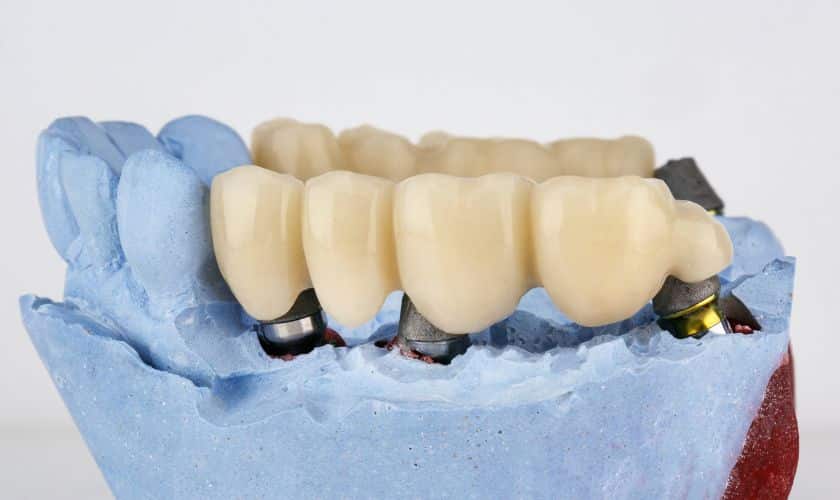
A complete and healthy smile goes beyond aesthetics; it is a crucial factor in maintaining optimal oral health. Dental bridges play a pivotal role in preventing various oral health complications that can arise from missing teeth. In this blog, we will explore how dental bridges act as more than just cosmetic solutions, contributing significantly to the overall well-being of your oral cavity.
Role of Dental Bridges in Preventing Oral Health Complications
- Preserving Jawbone Health: Dental bridges help maintain the integrity of the jawbone by providing stimulation similar to natural tooth roots. This prevents the bone from deteriorating, a common consequence of tooth loss that can lead to changes in facial structure and increased vulnerability to fractures.
- Preventing Shifting of Adjacent Teeth: The gap left by a missing tooth can cause neighboring teeth to shift out of their proper positions. Dental bridges fill this gap, preventing misalignment and preserving the natural alignment of your teeth. This helps maintain a functional and aesthetically pleasing smile.
- Reducing the Risk of Gum Disease: Gaps between teeth can become breeding grounds for bacteria, leading to the development of gum disease. Dental bridges seal off these spaces, making it more difficult for harmful bacteria to accumulate and reducing the risk of gum inflammation and infection.
- Improving Chewing Functionality: Missing teeth can significantly impact your ability to chew food properly, potentially causing digestive issues. Dental bridges restore the functionality of your bite, allowing you to chew and process food more effectively, supporting overall digestive health.
- Enhancing Speech and Articulation: Gaps in your smile can affect speech clarity and articulation. Dental bridges fill these spaces, contributing to improved pronunciation and overall communication. This is particularly important for maintaining confidence in social and professional settings.
- Alleviating Strain on Remaining Teeth: When a tooth is lost, the surrounding teeth may bear additional stress during biting and chewing. This increased strain can lead to premature wear and potential damage. Dental bridges distribute the forces evenly, preventing excessive pressure on remaining natural teeth.
- Boosting Self-Confidence and Mental Well-being: The psychological impact of a complete smile should not be underestimated. Dental bridges not only restore physical function but also enhance your appearance, boosting self-confidence and positively impacting mental well-being.
- Customizable Solutions for Individual Needs: Dental bridges are highly customizable to address specific oral health needs. Whether you need a traditional bridge or an implant-supported bridge, your dentist can tailor the solution to your unique situation, ensuring optimal functionality and aesthetics.
Conclusion:
Dental bridges serve as integral components in preventing various oral health complications associated with missing teeth. Beyond the cosmetic benefits, they contribute to the overall stability and well-being of your oral cavity. If you are considering a dental bridge, consult with your dentist to explore the options that best suit your individual needs, ensuring a healthier and more confident smile for years to come.