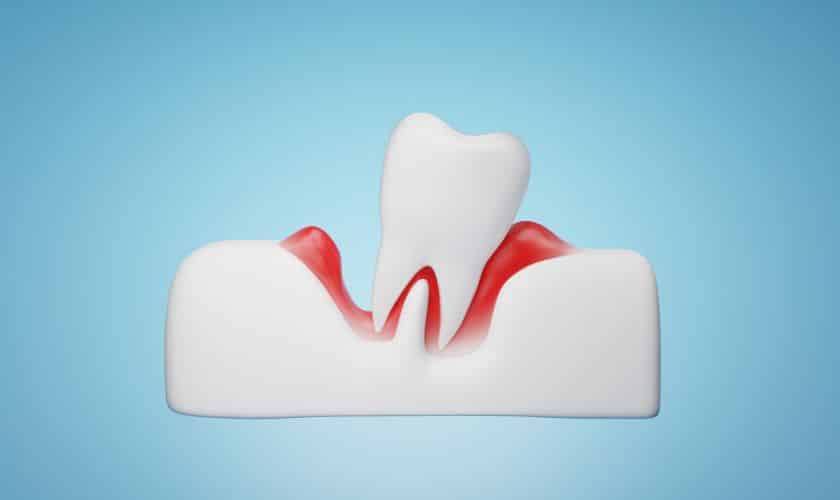
Gum disease, also known as periodontal disease, is a serious condition affecting the soft tissue and bone supporting the teeth. If left untreated, it can lead to tooth loss and other health complications. This comprehensive guide provides detailed information on the effective treatment of gum disease, highlighting various approaches and preventive measures to ensure optimal oral health.
Understanding Gum Disease
Gum disease is an infection of the tissues that hold your teeth in place. It typically starts with bacterial growth in your mouth and may end with tooth loss due to the destruction of the tissue surrounding your teeth. The two primary stages of gum disease are gingivitis and periodontitis.
Stages of Gum Disease
- Gingivitis: This is the earliest stage of gum disease, characterized by inflammation of the gums. Plaque buildup along the gumline can cause the gums to become red, swollen, and prone to bleeding. Gingivitis is reversible with proper oral hygiene.
- Periodontitis: If gingivitis is left untreated, it can advance to periodontitis. At this stage, the inner layer of the gum and bone pull away from the teeth and form pockets. These small spaces between teeth and gums can collect debris and become infected. As the disease progresses, these pockets deepen, leading to bone and tissue loss.
Effective Treatment Methods
Professional Dental Cleaning
Professional dental cleanings are crucial in the early stages of gum disease. During a cleaning, a dental hygienist removes plaque and tartar from above and below the gumline. Regular dental cleanings help prevent gingivitis from progressing to periodontitis.
Scaling and Root Planing
For more advanced stages of gum disease, scaling and root planing is a common non-surgical treatment. This deep-cleaning procedure involves:
- Scaling: Removing plaque and tartar from the surface of the teeth and beneath the gums.
- Root Planing: Smoothing the root surfaces to prevent future plaque and tartar buildup, allowing the gums to heal and reattach to the teeth.
Antibiotic Therapy
Antibiotics can be used in conjunction with other treatments to help eliminate bacteria causing gum infections. These can be applied topically (gel or mouth rinse) or taken orally. Common antibiotics include doxycycline, minocycline, and chlorhexidine.
Surgical Treatments
When non-surgical treatments are not effective, surgical interventions may be necessary. These include:
- Flap Surgery: Also known as pocket reduction surgery, this procedure involves lifting back the gums to remove tartar deposits and then suturing the gums back in place.
- Bone Grafts: Using fragments of your own bone, donated bone, or synthetic bone, this procedure helps regenerate bone destroyed by gum disease.
- Soft Tissue Grafts: This involves reinforcing thin gums or filling in places where gums have receded by transplanting tissue from the roof of the mouth or another donor source.
Laser Therapy
Laser therapy is an innovative approach to treating gum disease. It involves using a laser to remove inflamed gum tissue and expose the root of the tooth for scaling. This method can result in less bleeding, swelling, and discomfort compared to traditional surgery.
Preventive Measures
Preventing gum disease requires consistent oral hygiene and regular dental visits. Here are essential preventive measures:
Brushing and Flossing
- Brushing: Brush your teeth at least twice a day with fluoride toothpaste. Ensure you brush for two minutes and reach all areas, including the gumline.
- Flossing: Floss daily to remove plaque and food particles from between teeth and under the gumline.
Regular Dental Checkups
Visit your dentist at least twice a year for checkups and professional cleanings. Regular visits help detect early signs of gum disease and allow for timely intervention.
Healthy Diet
A balanced diet is crucial for oral health. Foods rich in vitamins C and D, calcium, and omega-3 fatty acids help strengthen gums and teeth. Avoid excessive consumption of sugary and acidic foods that can contribute to plaque buildup.
Avoid Tobacco Products
Smoking and the use of other tobacco products are significant risk factors for gum disease. Tobacco weakens your immune system, making it harder to fight off a gum infection. Quitting smoking can significantly improve your oral health and overall well-being.
Proper Oral Hygiene Products
Using the right oral hygiene products can make a significant difference in preventing gum disease. Consider the following:
- Antimicrobial Mouthwash: Rinse with an antimicrobial mouthwash to reduce bacteria and plaque buildup.
- Interdental Brushes: These are small brushes designed to clean between teeth and around dental appliances.
- Electric Toothbrushes: Electric toothbrushes can be more effective at removing plaque than manual brushes, especially in hard-to-reach areas.
Effective treatment for gum disease requires a combination of professional dental care, appropriate home care, and lifestyle changes. By understanding the stages of gum disease and implementing preventive measures, you can maintain healthy gums and avoid the severe consequences of untreated periodontal disease. Regular dental visits and a commitment to oral hygiene are paramount in achieving and sustaining good oral health.
Benchmark Dental Firestone is dedicated to providing comprehensive care for gum disease. Our experienced team uses the latest techniques and technologies to ensure effective treatment and prevention. At Benchmark Dental Firestone, your oral health is our priority, and we strive to help you achieve a healthy, beautiful smile.