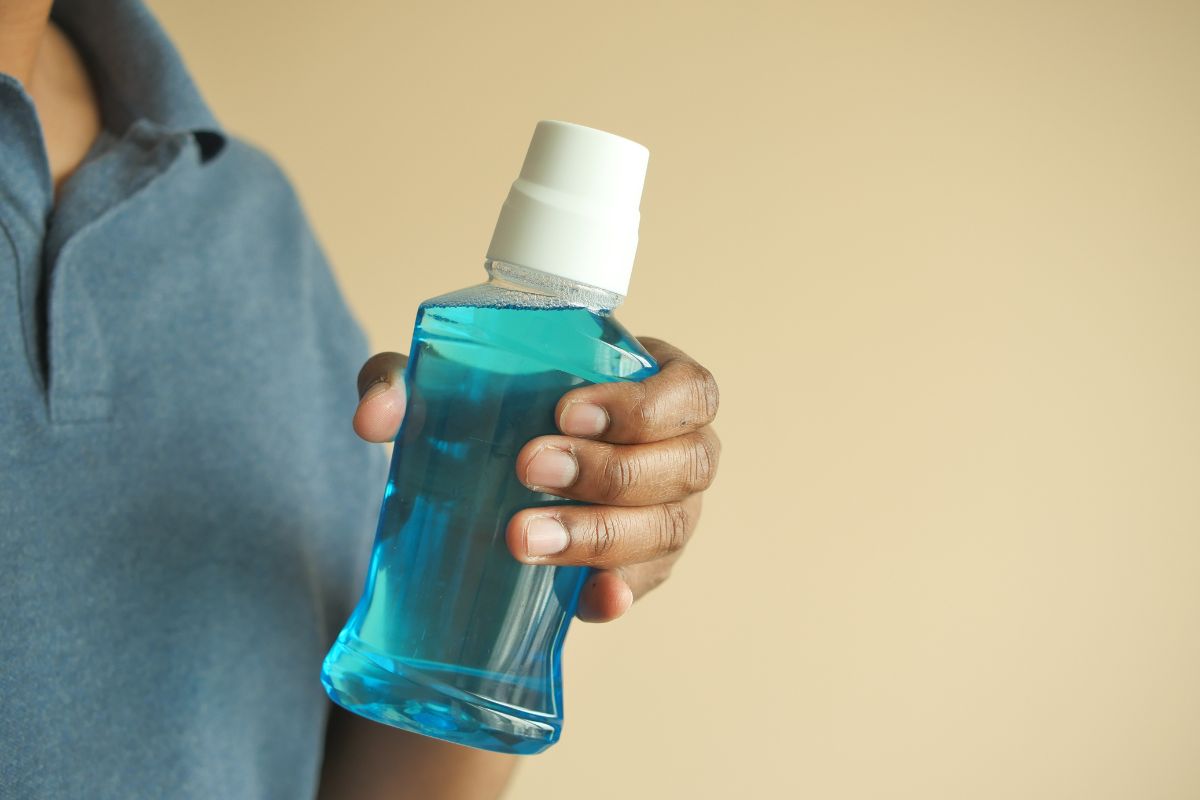
Mouthwash is a common part of many people’s oral care routines. It promises fresh breath, a cleaner mouth, and even added cavity protection. Yet, a growing number of individuals have questions about whether mouthwash is actually good for dental health. Can it cause harm when used incorrectly? Is it safe for daily use? Understanding what goes into mouthwash and how it works helps you make informed decisions for your smile.
If you have concerns about the right oral care products for your needs, speaking with a trusted dentist is always a smart step. Benchmark Dental supports patients with personalized guidance to maintain a healthy, confident smile.
Why Do People Use Mouthwash? The Benefits Explained
Mouthwash can deliver several helpful advantages when used properly. Many formulations provide:
- Fresher breath by neutralizing odor-causing bacteria
- Reduced plaque buildup, depending on the ingredients
- Support against cavities, especially those containing fluoride
- Relief for dry or sensitive gums
- Extra cleaning support after brushing and flossing
Some mouthwashes are even designed for specific dental needs, including gum disease management or whitening assistance. Although these benefits are real, mouthwash is not a replacement for daily brushing and flossing. It works best as an addition to your existing routine.
Potential Downsides: Is Mouthwash Really Bad for Your Oral Health?
Like any dental product, mouthwash can have drawbacks, especially when used incorrectly or too often. Common concerns include:
- Dry mouth
- Burning sensations from the alcohol content
- Alteration in taste due to strong antiseptic agents
- Irritation in gums and cheeks
- Possible disruption of the oral microbiome with overuse
Mouthwash containing high alcohol levels may strip away the protective saliva coating that keeps your mouth moisturized and healthy. This dryness can lead to more bacterial growth in the long run. If you already notice sensitivity or burning, our Firestone dentist may recommend an alcohol-free option that is gentler but still effective.
Is Alcohol-Based Mouthwash a Problem?
Alcohol is commonly used in mouthwash as an antimicrobial ingredient. Although it helps kill germs, it also:
- Can cause dry mouth
- May irritate soft tissues
- Might worsen bad breath over time due to dehydration
- Gives a strong burning feeling that many patients dislike
There is no conclusive evidence that alcohol-based mouth rinses cause major long-term oral damage for everyone, but individuals with dry mouth, gum disease, mouth ulcers, or highly sensitive tissues should choose a milder formula. Many dentists prefer alcohol-free mouthwash for everyday use because it supports oral health without unnecessary irritation.
The Role of Ingredients: What to Look For
Choosing a mouthwash should be based on your dental needs. Always check the label for key beneficial elements such as:
- Fluoride: Helps strengthen enamel and prevent cavities.
- Cetylpyridinium chloride (CPC): Fights bacteria and plaque.
- Chlorhexidine: Often prescribed for gum disease, but not for long-term daily use.
- Essential oils: Offer mild antimicrobial benefits.
Avoid mouthwash with:
- Excessive alcohol
- Harsh whitening chemicals, if you have sensitivity
- Artificial dyes, if you have allergies or irritation
At our dental practice, our team is experienced in helping you determine the safest option for your unique oral care goals.
Daily Use: How Much Is Too Much?
Dental experts generally recommend:
- Use mouthwash 1 to 2 times per day
- Do not rinse with water immediately afterward
- Avoid swallowing the product
Overuse may disrupt the natural bacterial balance in the mouth or damage healthy tissues. Moderation is the key to keeping mouthwash a helpful part of your routine.
Best Practices for Using Mouthwash Correctly
To get the most out of your rinse:
- Brush and floss first
- Use the recommended amount (usually 20–30 seconds)
- Select a formula designed for your specific dental needs
- Check for ADA-approved labels
- Discuss persistent breath or gum concerns with a dental professional
If your goal is long-term oral wellness, routine checkups with a dentist near you ensure that mouthwash is supporting your smile, not harming it.
Frequently Asked Questions
Q. Is using mouthwash every day safe?
A. Yes, when used correctly. Alcohol-free varieties are best for daily routines, especially for sensitive individuals.
Q. Can mouthwash replace brushing or flossing?
A. No. Mouthwash is a supplement. Brushing and flossing are essential for removing plaque and protecting gum health.
Q. Is mouthwash safe for kids?
A. Children should only use specially labeled mouthwash and must be supervised to prevent swallowing.
Q. Does mouthwash help with gum disease?
A. Therapeutic rinses can reduce bacteria and inflammation, but professional treatment is still necessary for gum disease management.
Q. Can mouthwash whiten teeth?
A. Some offer light cosmetic whitening. For noticeable results, professional whitening treatments are more reliable.
Q. Why do I get a burning feeling when using mouthwash?
A. Alcohol and strong antiseptics may irritate tissues. Switching to a gentler formula often resolves this.
Benchmark Dental: Your Partner in Oral Health
Benchmark Dental invests in the latest preventive strategies and personalized recommendations for each patient’s needs. Whether you want a stronger smile, fresher breath, or specialized gum support, our Firestone team will help you build a safe, effective home-care routine, including the right type of mouthwash for you.
Mouthwash is not inherently bad for you. The real impact depends on the type of mouthwash you choose and how consistently you follow a complete oral hygiene routine. A balanced approach that includes brushing, flossing, routine dental visits, and safe mouthwash use offers the best protection for long-term dental health.