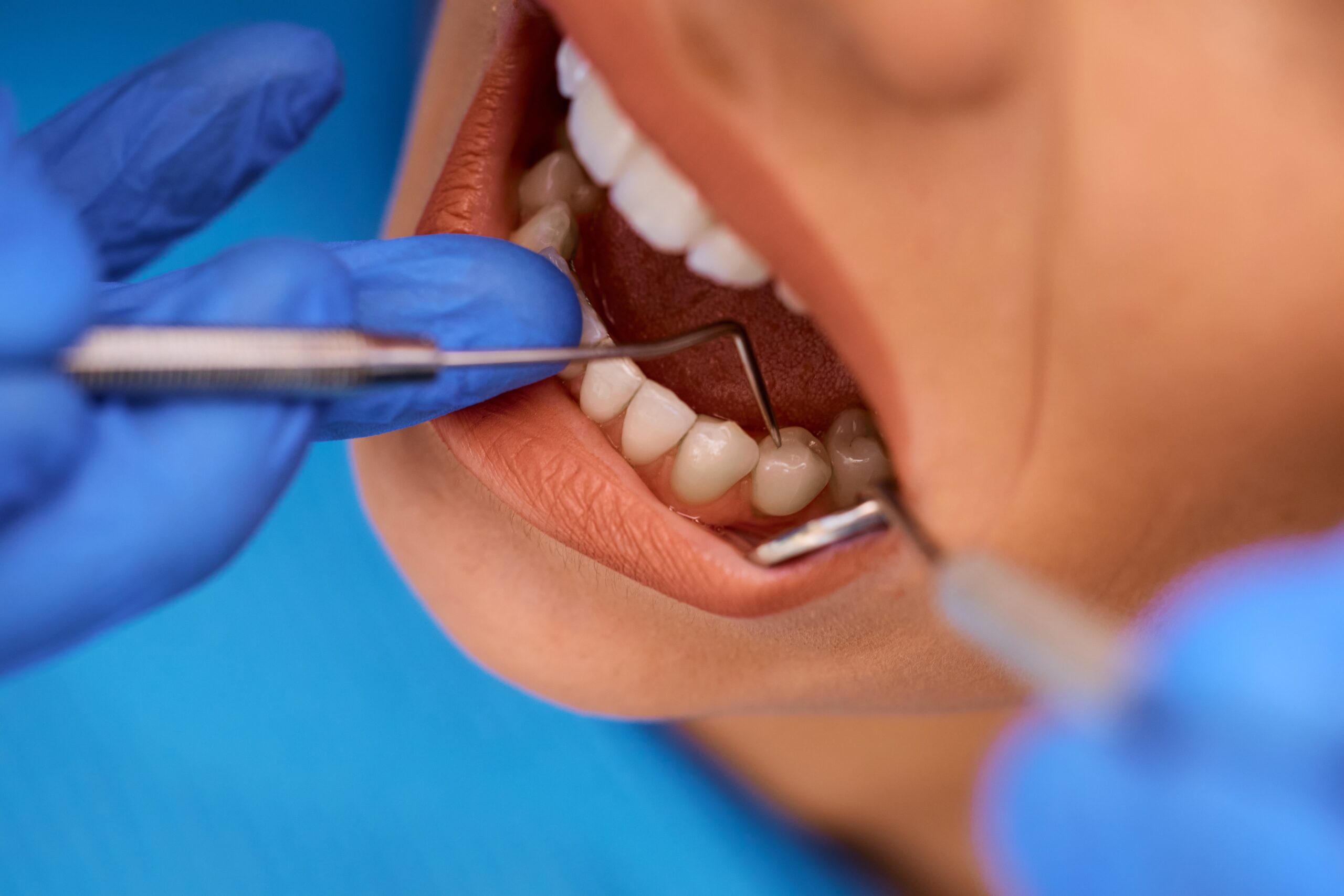
Most people notice plaque only when teeth feel fuzzy or look dull in the mirror. The real problem starts when that sticky film stays on the teeth too long. Plaque carries bacteria that irritate gums, weaken enamel, and create conditions for long-term oral health issues. Once plaque hardens into tartar, brushing alone cannot remove it. Daily habits can also play a role. Coffee stops before commuting, sweet snacks during local events, and dry winter air can all affect oral health habits. After enjoying food trucks and summer events, sugary drinks and snacks can stay on teeth longer when brushing gets delayed. Small choices throughout the day often create the perfect environment for plaque growth.
If you are considering visiting a dentist in Firestone & Windsor, it is important to know that regular visits can protect oral health. At Benchmark Dental, patients receive comprehensive care focused on preventing plaque and tartar from developing into more serious dental concerns.
Why Does Plaque Form So Quickly?
Plaque develops faster than many people realize. Understand how it forms:
Food Particles Feed Oral Bacteria
Every meal leaves particles behind on teeth and gums. Bacteria inside the mouth feed on sugars and starches from foods and drinks. This process creates acids that attack enamel. Sticky foods make the problem worse. Caramel, chips, dried fruit, and soda often cling to teeth for hours. Without cleaning, plaque starts forming quickly.
Saliva Can’t Do All the Work
Saliva helps wash away debris and neutralize acids. Dry mouth reduces this natural protection. Many people notice dry mouth more during Colorado winters because cold weather and indoor heating remove moisture from the air. During colder months near Firestone trails and outdoor winter festivals, dry air can dehydrate the mouth, speeding up plaque buildup around the gumline.
Plaque Hardens Into Tartar
Plaque becomes tartar when minerals in saliva harden the buildup. Tartar sticks firmly to teeth and traps additional bacteria. This rough surface makes cleaning much harder at home. Professional cleanings help remove tartar before it causes larger issues.
What Happens When Plaque and Tartar Stay Untreated?
Ignoring buildup does more than affect appearance; it creates conditions that can damage teeth and gums over time. These possible issues that could arise include:
Cavities Become More Likely
Plaque bacteria release acids that weaken enamel. Over time, small weak spots become cavities. Early treatment matters because untreated decay can spread deeper into the tooth. The general dental services include fillings and routine dental care that help manage decay before larger complications develop.
Gum Inflammation Starts Slowly
Many people overlook bleeding gums because the symptoms seem minor. Plaque along the gumline irritates soft tissue and causes inflammation. Gums may look red, swollen, or tender. This early stage is called gingivitis. Without treatment, it may progress further.
Bad Breath Can Become Persistent
Bacteria trapped inside plaque release unpleasant odors. Mouthwash may temporarily hide bad breath, but the underlying buildup remains. Tartar buildup near the gums often contributes to chronic odor that brushing alone cannot fully resolve.
Teeth May Look Darker or Duller
Plaque and tartar collect stains from coffee, tea, wine, and tobacco. Teeth gradually lose brightness and develop yellow or brown discoloration. Professional cleanings and whitening services can help restore a healthier appearance when buildup is removed safely.
Habits That Help Reduce Plaque Every Day
Simple daily habits create the strongest defense against plaque and tartar buildup. Here are the habits you need to follow:
Brush Longer and More Carefully
Many people brush too quickly. Two full minutes helps clean more surfaces effectively. Gentle circular movements work better than aggressive scrubbing. Electric toothbrushes may improve cleaning consistency for many patients.
Floss Before Plaque Hardens
Floss removes buildup between teeth where toothbrush bristles cannot reach. Skipping floss allows bacteria to stay trapped around the gums. Even flossing once daily helps reduce tartar formation significantly.
Watch Frequent Snacking
Constant snacking exposes teeth to sugars repeatedly throughout the day. Bacteria continue producing acids each time food enters the mouth. Water helps rinse away leftover particles between meals.
Schedule Preventive Dental Visits
Routine checkups help identify buildup before serious damage develops. Professional cleanings remove hardened tartar safely and thoroughly. Many people searching online for a dentist near me often wait until discomfort begins. Preventive visits usually reduce the chances of larger dental problems later.
Could Plaque and Tartar Affect More Than Your Mouth?
Oral health is closely linked to overall wellness; bacteria in the mouth can influence other parts of the body. These are the ways tartar and plaque an impact your overall well-being:
Inflammation May Spread Beyond the Gums
Research keeps highlighting how gum disease is linked to overall inflammation in the body. The CDC also shares that nearly half of adults aged 30 and above show signs of gum disease, emphasizing how common this issue really is.
Daily Comfort Changes
Sensitive teeth, swollen gums, and chewing discomfort affect daily routines. Some people avoid certain foods completely because eating becomes uncomfortable. Crunchy foods, cold drinks, and hot meals may trigger pain once enamel weakens or gums recede.
Confidence Often Drops
People notice stained teeth and bad breath quickly during conversations. Social confidence may decline when someone worries about how their smile looks or smells. During community gatherings, many people become more aware of the smile appearance because social interaction naturally increases face-to-face conversations.
Signs That It Is Time for Professional Dental Care
Certain symptoms should never be ignored; they often signal that plaque and tartar already affect oral health. Here they are:
- Bleeding During Brushing: Healthy gums should not bleed regularly. Frequent bleeding often points to irritation caused by bacteria near the gumline.
- Teeth Feel Rough or Coated: Tartar creates a rough texture that brushing cannot remove. Teeth may feel coated even after cleaning at home.
- Sensitivity Keeps Increasing: Sensitivity to cold drinks or sweet foods may suggest enamel wear or gum recession caused by buildup.
- Chronic Bad Breath Returns Quickly: Persistent odor that returns after brushing often signals bacteria trapped below the gums or around tartar deposits.
- Stains Become Harder to Remove: Dark buildup near the gumline usually needs professional cleaning rather than whitening toothpaste alone.
People searching for a dental office near me should look for comprehensive preventive care that focuses on both comfort and long-term oral health.
Protecting Your Smile Starts With Consistent Care
Plaque and tartar buildup rarely cause damage overnight. Problems develop gradually through everyday habits that seem harmless at first. Small signs like bleeding gums, rough teeth, or persistent bad breath often point to deeper oral health concerns. Professional cleanings and routine exams help remove buildup before it creates larger complications.
At Benchmark Dental, patients receive preventive care, gum disease treatment, fillings, or restorations. Our team aims to keep smiles healthy and functional. If plaque or tartar buildup has started, schedule a visit with our dentist in Firestone & Windsor. Take the next step toward better oral health.
FAQs
Can tartar develop even with regular brushing?
Yes. Brushing helps reduce plaque, but some buildup still hardens over time. Areas near the gumline and between teeth often collect deposits that need professional cleaning to remove completely.
Does plaque always cause pain first?
Plaque buildup often begins subtly, and it’s common for many of us to notice those signs. Bleeding gums, bad breath, or tooth sensitivity are the symptoms before experiencing any real pain or discomfort.
Why do gums pull away from teeth?
Gum irritation from bacteria can lead to inflammation and recession, which, over time, may cause your gums to pull back. When this happens, the roots of your teeth can become more exposed, making them more sensitive.
Are whitening products enough to remove tartar stains?
While whitening toothpaste can help remove some surface stains, tackling tartar often requires a visit to the dental care provider for professional cleaning. Hardened buildup is best handled safely by experts, as over-the-counter products alone can’t do the trick.
Can children develop tartar buildup quickly?
Absolutely! When children don’t brush regularly, plaque and tartar can build up. Plus, enjoying sugary snacks and sports drinks might lead to more buildup around the back teeth and gums.
Does drinking more water help oral health?
Yes, drinking water helps wash away food particles and bacteria after meals. It also keeps you hydrated. This encourages saliva production, an important natural protector for your teeth throughout the day.