A bright smile and a comfortable bite can make it seem like everything is fine. You may brush regularly, avoid sugary snacks, and never experience a toothache. Still, the appearance of your teeth cannot reveal everything happening beneath the surface.
Some dental concerns develop quietly in places you cannot easily see. Knowing what may go unnoticed can help you understand why professional examinations matter, even when your smile looks healthy.
What Can Develop Without Obvious Warning Signs?
Decay between teeth
Two teeth can look perfectly normal from the front while decay develops where their surfaces touch. These tight spaces are difficult to inspect at home, and early damage may not cause discomfort. A dentist can examine the area and recommend X rays when needed to check for decay that is not visible during a visual examination.
Changes beneath the gumline
Gums can conceal areas where plaque buildup has contributed to inflammation or damage to the supporting tissues. Early changes may not cause significant discomfort. A dental professional can examine gum health and measure the spaces around teeth to look for signs that need attention.
Problems around older dental work
Fillings and crowns can wear down or develop damaged edges over time. Plaque may collect around these areas, allowing new decay to develop. Even if the restoration looks normal when you smile, your dentist may identify changes during an examination.
Early changes inside a tooth
The outer surface may appear intact even when a problem needs closer investigation. Symptoms alone cannot reliably tell you whether a tooth is healthy, and some conditions only become noticeable as they progress.
How Can a Dentist Find What You Cannot See?
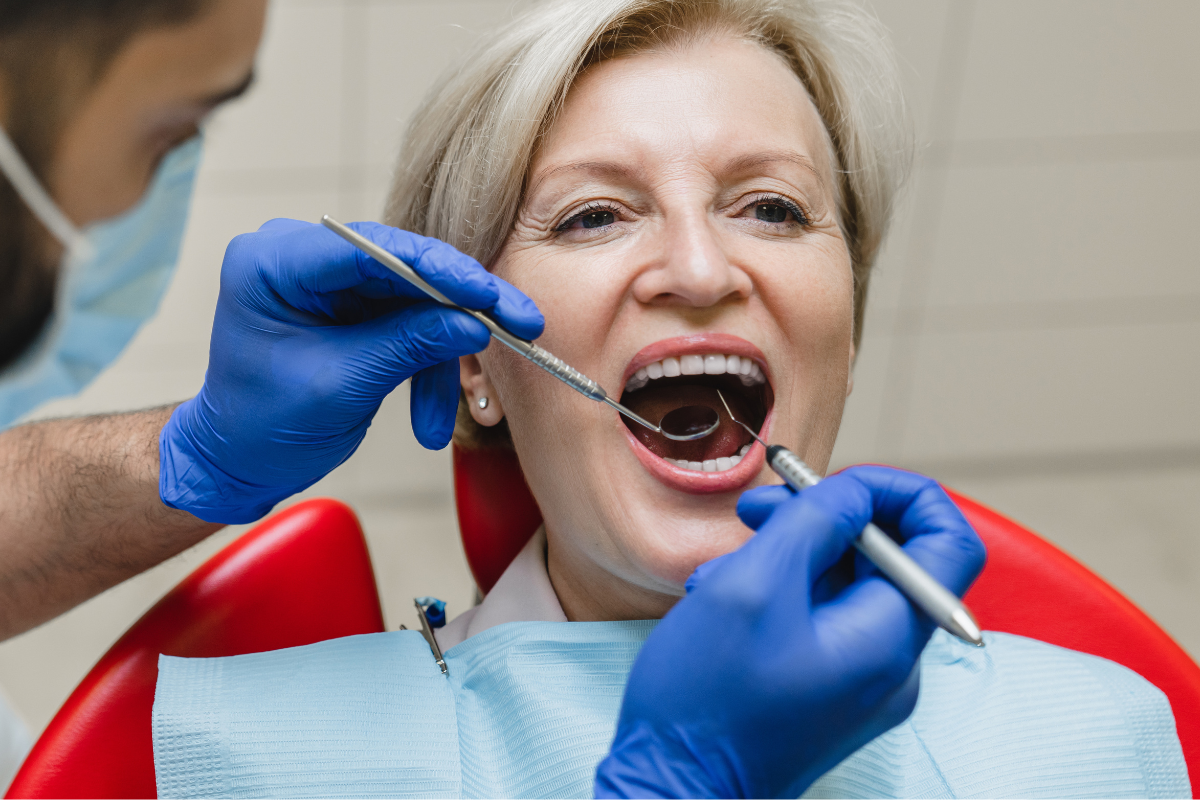
A dental examination involves more than checking whether teeth look clean or white. The dentist evaluates tooth surfaces, gum tissue, existing restorations, and other areas of the mouth. Depending on your dental history and examination findings, X rays may help reveal decay between teeth or changes in the supporting bone.
Not everyone needs the same imaging at every visit. Your dentist should consider your individual risk, symptoms, history, and the information already available before recommending additional tests.
If you live in Firestone, CO, understanding what an examination includes can make it easier to discuss concerns and make informed decisions about your care. An experienced dental team can explain what they find and why a particular next step may be appropriate.
What Can You Do Between Visits?
Daily habits help protect your teeth, but they cannot replace a professional examination. Brush twice a day with fluoride toothpaste, clean between your teeth daily, and limit frequent exposure to sugary foods and drinks. Pay attention to changes such as persistent bad breath, gum swelling, a new rough spot, or discomfort when chewing.
Do not assume that the absence of pain means you can ignore a concern. If something changes, ask a dental professional whether it needs evaluation.
Frequently Asked Questions
1. Can teeth look healthy but still have decay?
Yes. Decay can develop between teeth or in areas that are difficult to inspect without an examination or appropriate imaging.
2. Do I need X rays at every dental visit?
Not necessarily. The dentist determines whether imaging is appropriate based on your individual needs and clinical findings.
3. Can I detect every dental problem at home?
No. You can notice visible changes and symptoms, but some concerns develop in areas that are difficult to see or do not cause early discomfort.
4. If nothing hurts, do I still need an examination?
Yes. Routine examinations can help identify changes before symptoms develop. Your dentist can recommend an appropriate visit schedule based on your oral health.
Give Your Smile More Than a Visual Check
A healthy looking smile is encouraging, but understanding what is happening beneath the surface provides a more complete picture. Benchmark Dental in Firestone, CO, can help you discuss your concerns and understand the findings from an examination. Schedule an appointment to take the next step toward informed dental care, and get directions to the office before your visit.