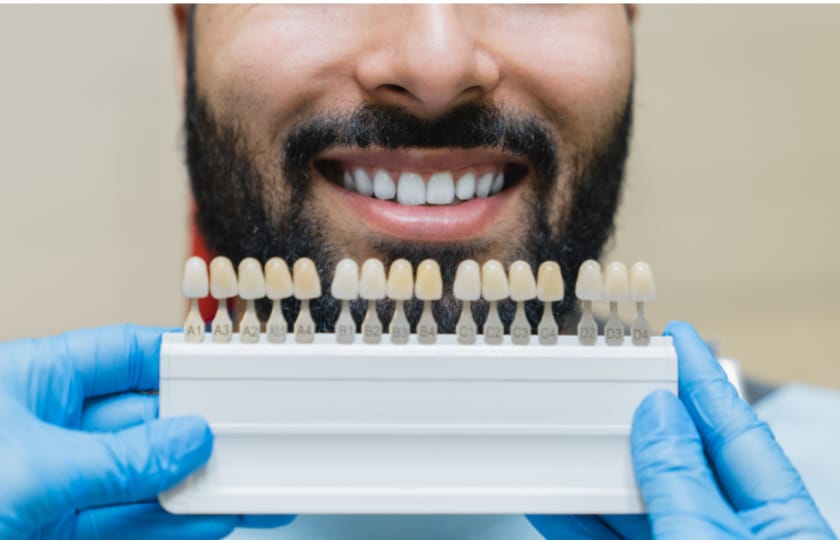
A perfect smile can easily boost your confidence and make a lasting impression. However, not everyone is blessed with naturally beautiful teeth. From chips and cracks to discoloration and misalignment, there are many imperfections that can mar the appearance of your pearly whites. But fret not! Dental veneers can be an excellent solution to transform your smile into something you’ll be proud to show off. Wondering if you’re a candidate for dental veneers? Look no further! In this blog post, we’ll decode everything you need to know about dental veneers and determine if they’re the right fit for you. So let’s get started!
What are Dental Veneers?
Dental veneers are thin, porcelain shells that are bonded to the front surface of your teeth. They can be used to improve the appearance of your smile by changing the color, shape, and size of your teeth. Veneers are an excellent option for people who have stained or discolored teeth, chipped or broken teeth, or gaps between their teeth.
If you are considering dental veneers, it is important to consult with a qualified dentist to ensure that they are the right treatment option for you. Your dentist will evaluate your oral health and discuss your cosmetic goals to determine if dental veneers are right for you.
Who is a Good Candidate for Dental Veneers?
There are many reasons why someone might want to get dental veneers. Perhaps their teeth are discolored, chipped, or misaligned. Or maybe they simply want to achieve a straighter, whiter smile.
In any case, there are certain criteria that must be met in order to be a good candidate for dental veneers. First and foremost, the patient’s teeth must be healthy. This means that they can’t have any decay or gum disease.
The patient must also have enough enamel on their teeth. This is because the veneers will be bonded to the enamel, so there needs to be enough there to support them. If not, the patient may require preparatory work such as tooth bonding or contouring before getting veneers.
Finally, the patient should have realistic expectations about what veneers can and cannot do. Veneers can improve the appearance of teeth, but they won’t fix everything. For example, if a patient has severely crooked teeth, veneers won’t straighten them out. In these cases, another treatment such as braces may be necessary.
If you think you might be a good candidate for dental veneers, talk to your dentist about it at your next appointment. They can help you determine if veneers are right for you and develop a treatment plan accordingly.
How to Choose a Dentist for Dental Veneers?
When it comes to choosing a dentist for dental veneers, there are a few things you should keep in mind. First, you want to find a dentist who is experienced in placing veneers. Second, you want to find a dentist who uses high-quality materials. Third, you want to find a dentist who can give you a natural-looking result.
To find an experienced dentist, you can ask your friends or family for referrals, or you can search online for reviews. Once you’ve found a few potential candidates, schedule consultations with each one so you can learn more about their experience and what they would charge for the procedure.
When it comes to choosing the right material for your veneers, you’ll want to consider both aesthetics and function. Porcelain veneers are the most popular type of veneer, as they offer a natural-looking result. However, they’re also more expensive than composite veneers. If cost is a concern, composite veneers may be a better option for you.
Finally, make sure to communicate your goals with your chosen dentist. Be clear about what kind of results you’re hoping for, and ask to see before-and-after photos of previous patients. With the right dentist and the right materials, you can achieve beautiful results that last for many years.
What is the Process of Getting Dental Veneers?
The process of getting dental veneers is quite simple. First, you will need to consult with your dentist to see if you are a good candidate for the procedure. If you are, then your dentist will take impressions of your teeth in order to create custom-made veneers that will fit over them. Once the veneers are ready, you will come back in for a second appointment and have them bonded to your teeth. The entire process usually takes place over the course of two or three dental visits.
Alternatives to Dental Veneers
There are many alternatives to dental veneers. Some people may opt for braces, which can straighten teeth over time. Others may choose bonding, which involves attaching a tooth-colored resin to the front of the teeth. This can improve the appearance of the teeth and make them look straighter. Still, others may choose tooth contouring, which involves shaving down the edges of the teeth to make them look more uniform.
Conclusion
Dental veneers can be a great way to improve your smile and give you the confidence boost you need. From stains to chips, these thin shells of porcelain or resin-composite material can help correct any cosmetic issues in your teeth. Before making the decision to invest in dental veneers, it is important to understand what they are and if you are a candidate for them. We hope this article has given you a better understanding of dental veneers and how they may benefit you specifically. If after reading this article, you believe that dental veneers may work for you – talk to your dentist today!
FAQs
Q1: What are dental veneers?
A1: Dental veneers are wafer-thin shells of tooth-colored porcelain that are custom-made to cover the front surface of your teeth. They are an affordable and effective way to improve the appearance of your smile.
Q2: How do dental veneers work?
A2: Once your dentist has determined that you are a good candidate for dental veneers, they will take an impression of your teeth and send it to a laboratory where your custom veneers will be made. Once your veneers are ready, your dentist will bond them to the front surfaces of your teeth using a special adhesive.
Q3: How long do dental veneers last?
A3: With proper care, your dental veneers can last for many years. However, they may eventually need to be replaced due to wear and tear or changes in the color of your natural teeth.