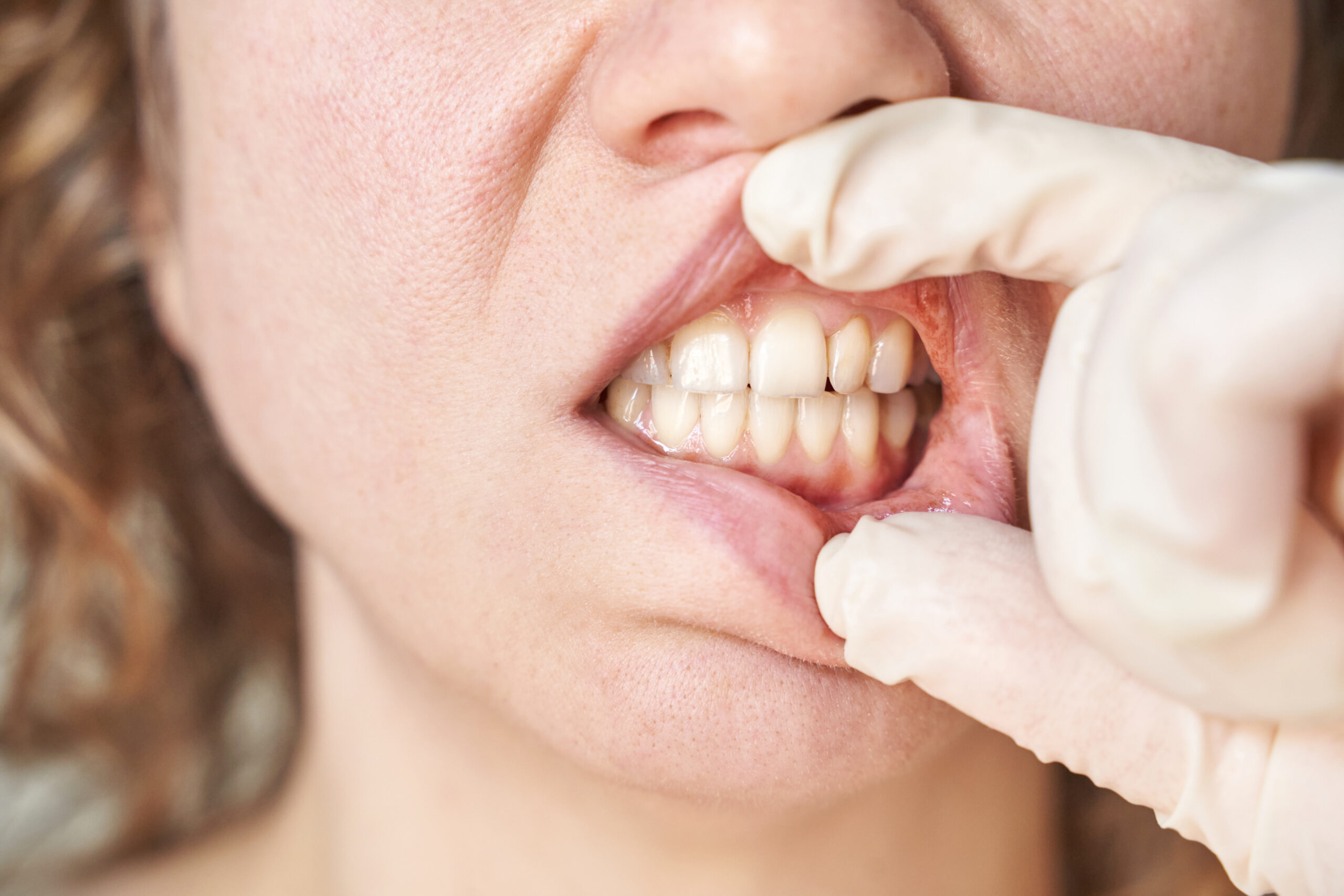
You catch a glimpse of your smile in a photo and notice something feels off—your teeth don’t look yellow, but slightly gray or dull. Maybe you’ve been brushing regularly and even tried whitening toothpaste, yet the color hasn’t improved. It’s a concern we hear from many patients who want their smile to look brighter but aren’t sure what’s causing the change.
For those exploring options like teeth whitening in Windsor, it’s helpful to understand that not all discoloration is the same. People in the Windsor area often assume darker teeth are simply surface stains, but gray tones can sometimes come from deeper within the tooth—and that affects how they’re treated.
What Causes Teeth to Look Gray Instead of Yellow?
Tooth discoloration generally falls into two categories: external (on the surface) and internal (within the tooth).
Yellowing is often linked to surface stains or natural aging, where enamel gradually thins and reveals the underlying dentin. Gray discoloration, on the other hand, is more commonly associated with internal changes. This can make the teeth appear dull, shadowed, or less vibrant rather than simply stained.
Understanding this difference is important because internal discoloration doesn’t always respond the same way to typical whitening methods.
Common Causes of Gray-Tinted Teeth
There are several reasons teeth may develop a gray appearance:
- Aging and enamel thinning: As enamel wears down, the inner layers of the tooth can show through more prominently
- Genetics: Some people naturally have teeth that appear more gray than others
- Trauma to a tooth: An injury can affect the internal structure, leading to discoloration over time
- Certain medications: Exposure to medications like tetracycline during tooth development can cause deeper staining
- Old dental restorations: Fillings or crowns may darken or contrast with surrounding teeth
- Smoking or lifestyle factors: While often associated with yellowing, these habits can also contribute to a dull, gray tone
Each of these causes affects the tooth differently, which is why a personalized approach matters.
When Gray Teeth May Indicate an Underlying Issue
In some cases, gray discoloration is purely cosmetic. In others, it may point to something that needs attention.
For example:
- A single tooth turning darker may suggest internal damage or past trauma
- Changes that appear suddenly could indicate a shift in the tooth’s health
- Discoloration combined with sensitivity or discomfort may require evaluation
These situations don’t always mean something serious, but they do highlight the importance of understanding what’s happening beneath the surface.
How Professional Teeth Whitening Can Help
Professional whitening can be an effective option for many types of discoloration, but results can vary depending on the cause.
Compared to over-the-counter products, professional options offer:
- Stronger, more controlled whitening agents
- Even application for more consistent results
- Guidance on what to expect based on your specific tooth color
Patients in Windsor often choose between:
- In-office whitening: A faster option using light-activated technology
- Take-home trays: Custom-fitted trays used over time for gradual improvement
While whitening can brighten many smiles, it may have limitations when discoloration is deeper or internal.
Treatment Options Beyond Whitening
When gray discoloration doesn’t respond well to traditional whitening, there are other approaches that can help improve the appearance of your smile:
- Bonding: A tooth-colored material is applied to cover discoloration
- Veneers: Thin coverings placed over the front of teeth for a more uniform look
- Internal bleaching: Used for a single tooth affected by trauma
- Replacing old restorations: Updating fillings or crowns to better match surrounding teeth
These options are typically considered based on the cause of discoloration and your overall goals.
How to Maintain a Brighter Smile
Once you’ve improved the appearance of your teeth, maintaining those results becomes an important part of long-term care.
Helpful habits include:
- Brushing and flossing consistently
- Limiting foods and drinks that can stain teeth, like coffee or red wine
- Keeping up with regular dental cleanings
- Using touch-up whitening when recommended
Small, consistent steps can help your smile stay bright and natural-looking over time.
Taking the Next Step
If you’ve noticed your teeth looking more gray than you’d like, it’s understandable to want clarity before deciding what to do next. Tooth color changes can feel subtle at first, but understanding the cause can make it easier to choose the right approach.
If you’d like to talk through your options or better understand what’s contributing to the change, you can schedule a visit at our Windsor location for a relaxed, informative conversation about what may work best for your smile.
FAQs
Why do my teeth look gray instead of yellow?
Gray discoloration is often related to internal changes within the tooth, rather than surface staining.
Can gray teeth be whitened?
In some cases, yes—but results depend on the cause. Deeper discoloration may require alternative treatments.
Is gray discoloration permanent?
Not always. While some causes are more resistant to whitening, there are treatment options that can improve appearance.
Are whitening treatments safe?
When used as directed and under professional guidance, whitening treatments are generally safe and effective.
When should I see a dentist about tooth discoloration?
If the change is sudden, affects a single tooth, or doesn’t improve with basic care, it’s a good idea to have it evaluated.