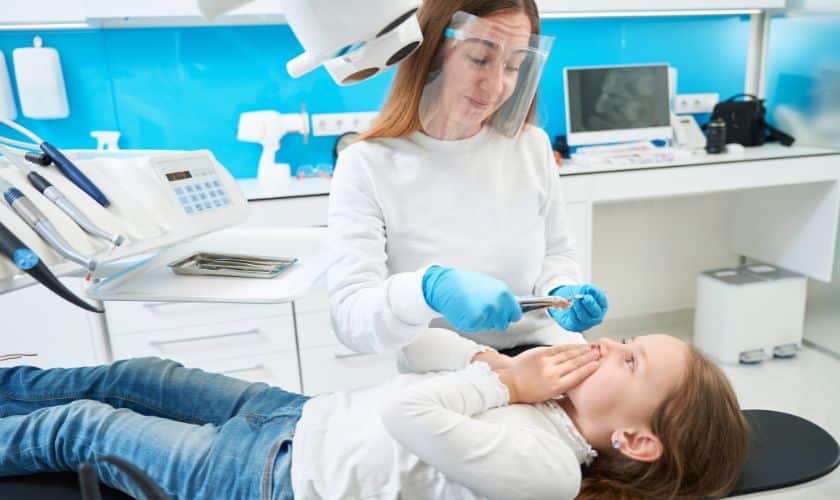
Accidents can happen at any moment, especially when it comes to kids. Dental emergencies can happen to children at home, at the park, during a sports game, or even from a simple slip and fall. As a parent or caregiver, knowing how to respond in these situations is crucial to safeguarding your child’s precious smile and ensuring their overall well-being. In this comprehensive blog, we’ll discuss childhood dental emergencies, providing valuable insights, tips, and essential information, from understanding common dental injuries to learning the steps you should take when facing a dental crisis involving your child.
Moreover, we’ll discuss the importance of preventive measures to reduce the risk of dental emergencies. Simple precautions can go a long way in protecting your child’s dental health and preventing accidents from happening in the first place. We aim to empower you with the information you need to be a confident and proactive guardian of your child’s dental well-being. Together, we’ll ensure that your child’s smile remains bright and beautiful, no matter what unexpected challenges come their way. So, let’s understand the essential guide on protecting your child’s smile during those unexpected dental emergencies.
What Is Childhood Dental Emergencies
Childhood dental emergencies refer to any unexpected dental issue or injury that requires immediate attention in children. These emergencies can range from mild to severe and may occur due to various reasons such as accidents, sports injuries, tooth decay, or infections. One common childhood dental emergency is a knocked-out tooth. When a child’s tooth gets completely dislodged from its socket, it needs prompt medical intervention. Other emergencies include fractured or chipped teeth, severe toothaches, abscesses, bleeding gums, or broken braces. Parents and caregivers must be prepared and know how to handle these situations effectively. The first step is to stay calm and reassure the child that everything will be alright.
For fractures or chips in teeth, rinse the mouth with warm water and apply a cold compress on the affected area to reduce swelling. In case of severe pain or bleeding gums, use clean gauze or cloth to apply gentle pressure until you can seek professional help. Remember that immediate care by a pediatric dentist is crucial in these situations. Ensure you have their contact information readily available so you can reach out for advice and arrange an appointment promptly.
What Are Common Dental Emergencies in Children
Children are energetic and curious, often leading to accidents and mishaps. When it comes to dental emergencies in children, there are several common situations that parents should be aware of. One common dental emergency is a knocked-out tooth. This can happen during rough play or sports activities. If your child loses a permanent tooth, try to find and rinse it gently with water, avoiding scrubbing or touching the root. Another frequent issue is a chipped or fractured tooth. Rinse your child’s mouth with warm water to clean the area, and apply cold compresses to reduce swelling.
Toothaches are also a common complaint among children. Toothaches can be caused by cavities, food stuck between teeth, or an abscessed tooth. Rinse your child’s mouth with warm salt water and use floss to remove any trapped food particles. Lip and tongue injuries are quite prevalent in kids who tend to fall frequently while playing outdoors. Clean the area gently with water and apply pressure using a clean cloth if bleeding occurs persistently. Remember that these tips are temporary solutions for immediate relief until you can visit an emergency pediatric dentist for proper treatment tailored to your child’s situation.
How To Handle Kids Dental Emergencies
When it comes to handling dental emergencies in children, quick action is essential. Here are some tips to help you navigate these situations and protect your child’s smile. First and foremost, stay calm. Your child will likely look to you for reassurance, so staying composed will help them feel more at ease. Understanding the severity of the emergency will guide your next steps. Use a clean cloth or gauze to pressure the affected area if bleeding gently. Rinse their mouth with warm water to remove debris and see if this helps stop the bleeding. If not, seek immediate professional dental care.
For a loose tooth, avoid trying to pull it out yourself. Encourage your child to gently bite down on a piece of clean gauze or tissue to keep it in place until you can visit the dentist. In cases where a permanent tooth has been knocked out completely, time is crucial. Try placing it back into its socket if possible, but if not feasible, store it in milk or saliva until you can reach an emergency dentist. Regular check-ups and good oral hygiene practices go a long way in maintaining healthy teeth and gums for your little ones.
Emergency Dental Care Tips For Children
Quick action is crucial to protect your child’s smile regarding dental emergencies. Here are some important tips for handling emergencies and providing immediate care for your little one:
Stay calm:
It’s essential to stay calm and reassure your child during a dental emergency. Your composure will help them feel more secure and make it easier to assess the situation.
Stop bleeding:
If there is any bleeding, apply gentle pressure with a clean cloth or gauze pad. Ensure not to use excessive force, as this may cause further damage.
Preserve knocked-out tooth:
If a permanent tooth gets knocked out, handle it carefully by the crown (top part) without touching the root. If dirty, rinse it gently with water, but do not scrub or remove any attached tissue fragments.
Control swelling:
Apply an ice pack or cold compress on the affected area if swelling or facial trauma occurs.
Clean mouth and rinse:
Have your child rinse with a warm saltwater solution to help cleanse and soothe wounds or injuries.
Regular dental check-ups and good oral hygiene practices will go a long way in minimizing the risk of dental emergencies. Please encourage your child to brush their teeth twice a day, floss regularly, and avoid excessive sugary snacks. However, accidents happen even with the best precautions in place. When faced with a dental emergency involving your child, stay calm but act swiftly. Assess the situation, provide immediate first aid, and contact your pediatric dentist immediately.
It’s important to note that this article serves as general guidance only. Each situation may vary in severity or require specific professional advice. Trust your instincts as a parent and seek prompt, professional help when needed. By staying informed and proactive about pediatric dental emergencies, you can ensure your child receives timely care for any unexpected tooth troubles.