Are you considering choosing between dental implants and bridges to restore your smile? Making the right decision is crucial for achieving optimal dental health and aesthetics. Both dental implants and bridges are viable solutions for replacing missing teeth, but they come with different benefits and considerations. This blog post will guide you through the key differences between dental implants and bridges, helping you make an informed choice that suits your unique needs. Let’s understand the benefits of each option, the procedure involved, and the long-term implications for your oral health. By understanding the factors that set these treatments apart, you’ll be equipped to collaborate with your dentist in making a well-informed decision. Whether you’re seeking a permanent tooth replacement or have specific dental concerns, this comprehensive comparison will empower you to select the best solution that ensures a confident smile and improved oral well-being. Let’s explore the world of dental implants and bridges and embark on a journey to transform your smile!
What Are Dental Implants?
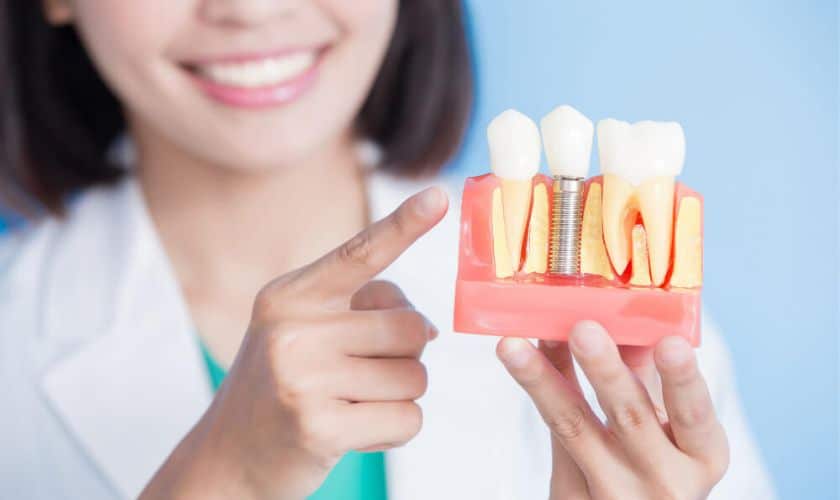
Dental implants are a remarkable solution for replacing missing teeth. They have three main components: the implant, abutment, and dental crown. The implant is a small titanium post surgically placed into the jawbone. It serves as the foundation for the replacement tooth. Once the implant has integrated with the bone, an abutment is attached. This connector piece acts as a support for the dental crown, which mimics the appearance and function of a natural tooth. Dental implants provide exceptional stability and durability, making them feel like your teeth. One of the key benefits of dental implants is their ability to prevent bone loss in your jaw. When you lose a tooth, the underlying bone can deteriorate over time due to insufficient stimulation from chewing forces. Implants stimulate bone growth by acting as artificial tooth roots. Furthermore, dental implants offer long-term solutions with proper care and maintenance, unlike bridges or dentures that may need periodic adjustment or replacement over time. Their natural appearance and functionality can greatly enhance your smile aesthetics and oral health.
What are Bridges?
Dental bridges are a common solution for replacing missing teeth. They consist of artificial teeth, known as pontics, anchored to adjacent natural teeth or dental implants. Bridges can be made from porcelain, metal alloy, or both. One advantage of bridges is that they provide a fixed and stable solution for tooth replacement. Unlike dentures, which may need to be removed for cleaning or while sleeping, bridges remain in place at all times. This makes them feel more natural and comfortable compared to other options. Getting a bridge involves preparing the adjacent teeth by removing some enamel to make room for the crowns that will hold the pontic in place. Impressions are then taken to create a custom-made bridge in a dental laboratory. Bridges restore your smile and help maintain proper oral function by preventing the shifting of neighboring teeth and reducing stress on bite forces. Bridges can last even longer with good oral hygiene and regular dental check-ups. Dental bridges offer an effective way to replace missing teeth and restore your smile’s aesthetics and functionality.
The Difference Between Dental Implants And Bridges
When restoring missing teeth, dental implants and bridges are two popular options. Dental implants are artificial tooth roots of titanium surgically placed into the jawbone. They provide a strong foundation for replacement teeth. On the other hand, bridges consist of prosthetic teeth that are attached to adjacent natural teeth or dental crowns. One key distinction between implants and bridges is their longevity. Dental implants have a higher success rate and can last a lifetime with proper care, while bridges typically need to be replaced every 10-15 years. Implants do not rely on neighboring teeth for support, preserving their integrity. Bridges, however, require healthy adjacent teeth to be shaved down and used as anchors. Dental implants offer improved oral health benefits by preventing bone loss in the jaw and maintaining facial structure. Bridges may cause bone resorption over time due to lack of stimulation. Choosing between dental implants and bridges depends on oral health and personal preferences. Consulting with your dentist will help determine which option is best suited for you. Dental implants act as independent tooth replacements with long-term durability, whereas bridges utilize neighboring teeth for support but may need replacement sooner. Each option has pros and cons – ultimately making it important to consult your dentist before deciding which treatment will give you the best smile restoration possible.
How To Choose The Right Option For You
When choosing between dental implants and bridges, there are a few factors to consider. First and foremost, you should consult with your dentist or oral surgeon. They will be able to assess your specific dental needs and help guide you in making the right decision. One important factor to consider is the health of your surrounding teeth. Dental implants are a standalone option that doesn’t rely on adjacent teeth for support. This can be beneficial if your neighboring teeth are healthy and strong. On the other hand, bridges require the support of adjacent teeth, which may involve altering their structure by removing enamel. Another consideration is longevity. Dental implants have an impressive track record for durability, often lasting a lifetime with proper care. Personal preference plays a role in decision-making as well. Some people feel more comfortable with dental implants because they closely resemble natural teeth and provide better function and stability. Others may prefer bridges for their personal choices. Choosing between dental implants and bridges requires careful consideration of individual needs and preferences and guidance from dental professionals who understand your unique situation.
Both dental implants and bridges offer effective solutions When restoring a missing tooth or multiple teeth. However, choosing the right option for your smile depends on several factors, such as your oral health, personal preferences, and long-term goals. Dental implants provide a permanent and natural-looking solution that mimics the function of real teeth. They are durable and can last a lifetime with proper care. Remember that maintaining good oral hygiene is crucial regardless of your choice. Regular dentist visits, brushing, flossing, and diet will help ensure the longevity of whichever restoration method you select. Whether you choose dental implants or bridges, both options have their advantages in helping you regain confidence in your smile while improving overall oral health. Reach out to your trusted dentist today to discuss the most suitable option for enhancing your smile!