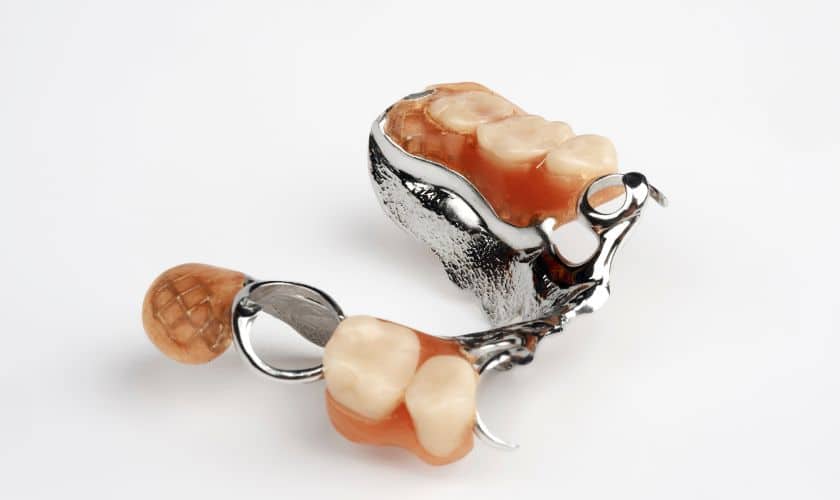
As we age, our dental health needs evolve, and many individuals may find themselves facing tooth loss or other dental issues. Dentures offer a practical and effective solution for restoring oral function and confidence in older adults.
Impact of aging on dental health, discuss how dentures can address these changes
Understanding Changes in Dental Health with Age: Aging can bring about various changes in dental health, including:
- Tooth Loss: Aging increases the risk of tooth loss due to factors such as decay, gum disease, and wear and tear over time.
- Bone Resorption: As we age, the bone that supports our teeth may gradually diminish in density, leading to changes in the structure of the jawbone and potential difficulties in supporting dental restorations like implants.
- Gum Recession: Gum recession is common in older adults and can expose the roots of the teeth, leading to increased sensitivity and susceptibility to decay.
- Oral Health Conditions: Older adults may be more prone to oral health conditions such as dry mouth, gum disease, and oral cancer, which can impact the health and function of their teeth and gums.
How Dentures Address Changes in Dental Health: Dentures are custom-made prosthetic devices designed to replace missing teeth and restore oral function and aesthetics.
Here’s how dentures can address the changes in dental health associated with aging:
- Restoring Oral Function: Dentures enable individuals with missing teeth to chew, speak, and smile with confidence, restoring their ability to enjoy a varied diet and maintain proper nutrition.
- Supporting Facial Structure: Dentures help support the facial muscles and prevent sagging or sunken facial features that can occur with tooth loss and bone resorption.
- Enhancing Confidence: Dentures provide a natural-looking and functional replacement for missing teeth, allowing individuals to regain confidence in their appearance and social interactions.
- Improving Speech: Dentures help improve speech clarity by replacing missing teeth and restoring proper tongue and lip movements.
- Preventing Further Tooth Loss: Dentures can help prevent further tooth loss by providing support to the remaining teeth and redistributing bite forces evenly across the dental arch.
Maintaining Oral Health with Dentures: Proper care and maintenance are essential for ensuring the longevity and effectiveness of dentures.
Here are some tips for maintaining oral health with dentures:
- Clean Dentures Daily: Remove and clean your dentures daily using a soft-bristled brush and non-abrasive denture cleaner to remove plaque, food debris, and stains.
- Practice Good Oral Hygiene: Even with dentures, it’s essential to maintain good oral hygiene by brushing your gums, tongue, and palate with a soft brush to remove bacteria and prevent oral health problems.
- Attend Regular Dental Check-Ups: Schedule regular dental check-ups with your dentist to monitor the health and fit of your dentures and address any issues promptly.
- Avoid Damaging Habits: Avoid habits such as chewing on hard or sticky foods, using your teeth to open packages, or smoking, which can damage dentures and compromise oral health.
Conclusion:
Dentures play a vital role in addressing changes in dental health associated with aging, providing a functional and aesthetic solution for individuals with missing teeth. By understanding the impact of aging on dental health and taking proactive steps to maintain oral hygiene, older adults can enjoy a healthy smile and improved quality of life with dentures. If you or a loved one are considering dentures, consult with a dentist to explore your options and ensure personalized care tailored to your needs.