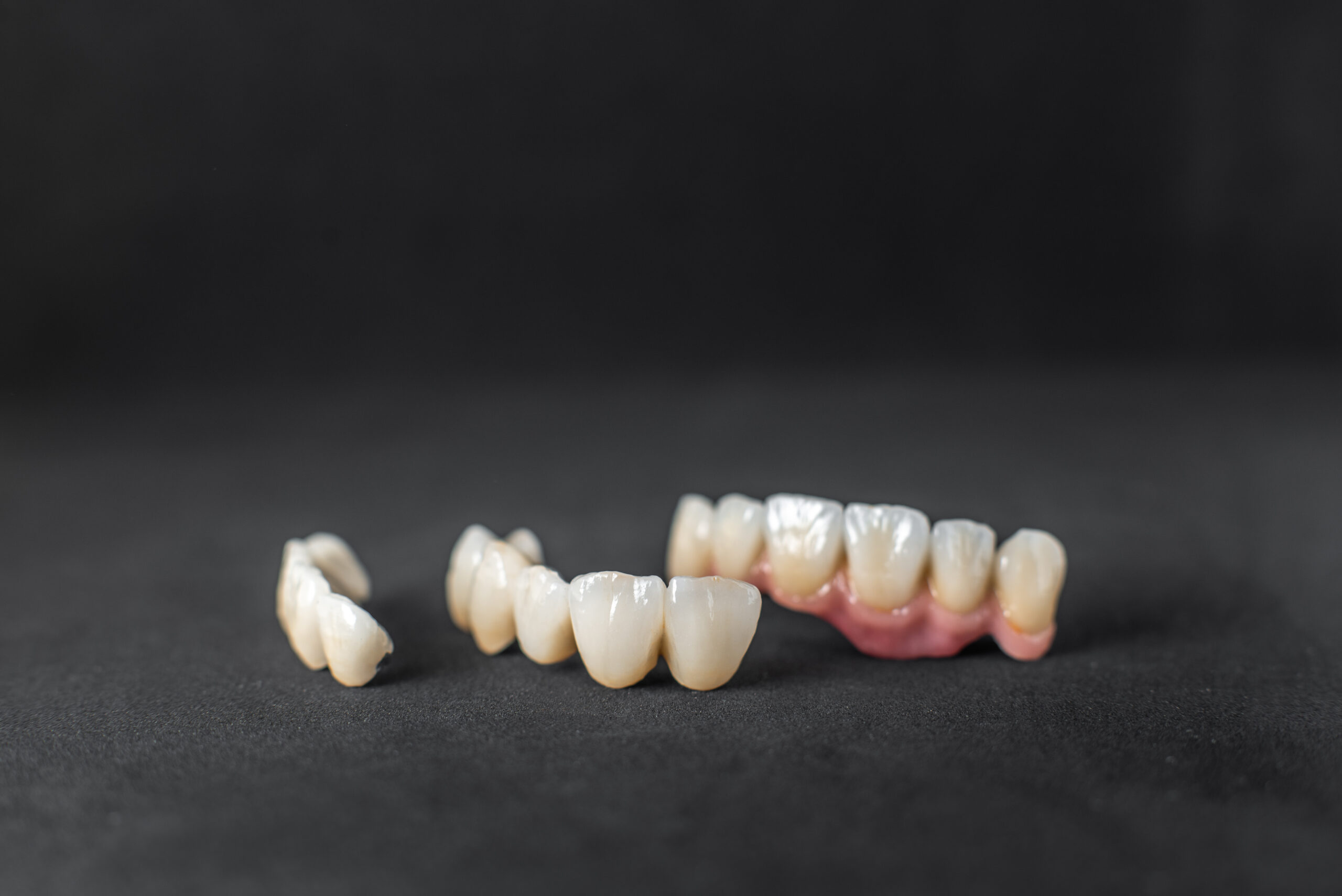
One of the most common questions we hear from patients is simple and honest: “Is this going to hurt?”
Whether someone has a cracked tooth after biting into something unexpectedly hard, a tooth that recently had a root canal, or an old filling that’s no longer holding up, the idea of getting a crown can feel intimidating. Often, that fear is tied less to the procedure itself and more to past dental experiences or stories found online.
For many families seeing a restorative-focused dentist in the Firestone area, understanding what actually happens during a dental crown treatment helps replace uncertainty with clarity. When patients know what to expect, anxiety tends to ease.
Let’s walk through it together.
Why Patients Worry About Crown Pain
It’s completely normal to feel cautious about dental work.
Many adults remember older techniques that felt less comfortable than what we use today. Others worry about injections, drilling, or being sore afterward. And sometimes, internet searches amplify worst-case scenarios rather than everyday outcomes.
In reality, crown procedures are designed to protect and stabilize a tooth — not create new problems. Modern dentistry focuses heavily on comfort, precise numbing, and conservative preparation. Most discomfort people anticipate simply doesn’t match what they experience.
Does Getting a Crown Hurt During the Procedure?
During the procedure itself, you should not feel pain.
We use local anesthesia to numb the area thoroughly before any work begins. You may feel pressure or vibration while the tooth is being shaped, but pressure is very different from pain. Patients often describe it as an odd sensation rather than something uncomfortable.
The numbing process itself is typically brief. A topical gel is placed first to make the injection more comfortable, and then the anesthetic is delivered carefully. For patients with dental anxiety, we take extra time to ensure they feel settled before moving forward.
If you’re receiving a same-day crown, digital scanning replaces traditional impressions. That means no bulky trays and less overall chair time. Many patients balancing work schedules or school drop-offs in Firestone appreciate the efficiency without sacrificing comfort.
What About After the Numbing Wears Off?
Once the anesthetic fades, it’s common to notice mild sensitivity. This can include:
- Slight tenderness in the gum tissue
- Awareness of the tooth when biting
- Sensitivity to cold for a few days
These symptoms are typically temporary and manageable with over-the-counter pain relievers, if needed.
Your bite may also feel a little “different” at first. That sensation usually resolves as your mouth adjusts. If something feels uneven or uncomfortable beyond a few days, we simply make a small adjustment.
Discomfort that worsens, lingers significantly, or feels sharp and persistent is not typical. In those cases, we want to evaluate it. Most post-crown sensitivity improves steadily within the first week.
When a Crown Actually Relieves Pain
Interestingly, many crowns are placed to eliminate pain rather than cause it.
Teeth that are:
- Weakened by decay
- Cracked or fractured
- Unable to hold a large filling
- Treated with a root canal
often feel sensitive because they lack structural support. A crown acts like a protective shell, redistributing bite forces and stabilizing the remaining tooth structure.
Once properly restored, patients frequently notice that chewing feels more secure and less uncomfortable than before treatment.
Same-Day Crowns and Comfort
Advancements in digital dentistry have changed the crown experience significantly.
With same-day technology:
- The tooth is scanned digitally
- The crown is designed with precision software
- The restoration is milled in-office
- Placement happens in a single visit
This eliminates the need for a temporary crown in many cases, which can reduce sensitivity between appointments. For busy families juggling outdoor activities, commutes, and school events — whether here in Firestone or commuting toward Windsor — fewer visits can make the process feel more manageable.
Comfort remains the priority throughout.
How a Restorative Dentist Plans Crown Treatment Carefully
Crown placement isn’t automatic. Thoughtful planning matters.
Before recommending a crown, we evaluate:
- The remaining strength of the tooth
- Bite pressure and alignment
- Gum health and surrounding bone support
- Long-term durability needs
In many situations, we consider whether a more conservative approach could work first. Crowns are typically recommended when a tooth needs full coverage protection to prevent fracture or further breakdown.
The goal isn’t simply to “fix” a tooth — it’s to restore function in a way that feels natural and supports long-term oral health. Proper fit, balanced bite forces, and high-quality materials all contribute to comfort after placement.
A Thoughtful Next Step
If you’ve been delaying care because you’re worried about discomfort, you’re not alone. Open conversations often make the biggest difference.
If you’d like to talk through your concerns or understand whether a crown is truly necessary, you’re welcome to visit our Firestone dental office for a personalized consultation. We’ll review your options carefully, answer your questions, and help you feel confident in whatever decision you make.
FAQs
Are dental crowns painful?
The procedure itself is performed under local anesthesia, so you should not feel pain. Mild sensitivity afterward is possible but usually temporary.
How long does soreness last after a crown?
Most tenderness improves within a few days. If sensitivity continues beyond a week or worsens, it’s important to have it evaluated.
Will I need a shot for a crown?
Yes, local anesthesia is used to keep you comfortable during the procedure. A numbing gel is typically applied first to ease the injection process.
Is a crown more painful than a filling?
Not typically. The experience is similar in terms of numbing and preparation, though crown appointments may take a bit longer.
What if my crown hurts weeks later?
Ongoing discomfort isn’t common. It may indicate a bite imbalance or another issue that can often be adjusted or corrected.