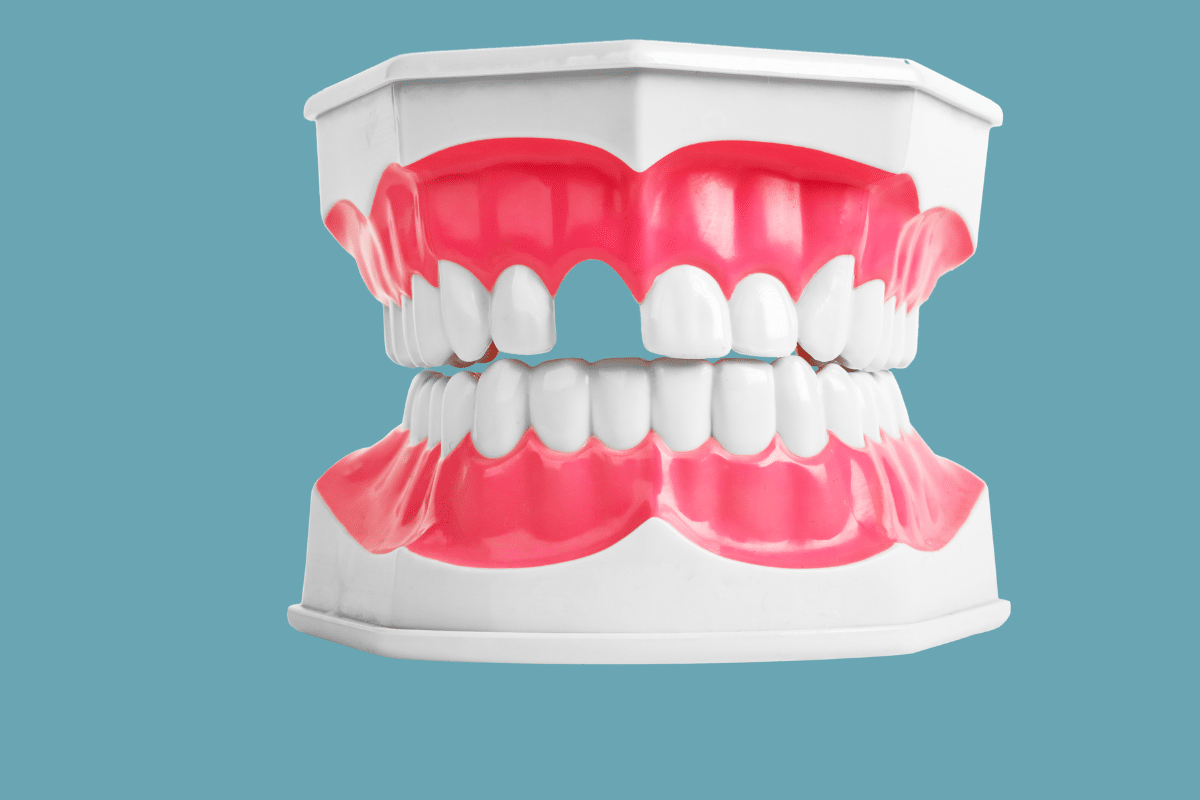
Tooth loss can be an overwhelming challenge, affecting not only your appearance but also your overall oral health. If you’ve been told you need a dental implant or have been dealing with bone loss in your jaw, you may have heard the term “bone grafting.” But what exactly is bone grafting, and how does it play a crucial role in preventing tooth loss? This procedure could be your pathway to restoring both your smile and your oral health. Here’s a closer look at how bone grafting can help keep your teeth where they belong: in your mouth!
Understanding Bone Grafting and Its Importance
Bone grafting is a dental procedure used to rebuild or repair bone in areas where it has been lost, usually as a result of periodontal disease, trauma, or after tooth extraction. In simple terms, it’s a way to “fill in” the bone structure in the jaw to create a strong foundation for dental implants or other restorative procedures.
Why is it important? When bone is lost in the jaw, it can lead to several oral health issues, including:
- Shifting Teeth: Without adequate bone support, your teeth can shift, leading to gaps and misalignment.
- Weak Foundation for Implants: Without enough bone in the jaw, dental implants may not have the stability they need to fuse properly.
- Increased Risk of Tooth Loss: As the bone deteriorates, the remaining teeth can become loose and may eventually fall out.
By using bone grafting techniques, our restorative dentist in Firestone or Windsor can rebuild the necessary bone structure, offering a solid base for implants and helping prevent further tooth loss.
How Bone Grafting Works to Prevent Tooth Loss
The bone grafting process can sound complex, but it’s a highly effective way to restore both bone health and your smile. Here’s how it generally works:
- Consultation and Assessment: The first step is a detailed examination by your dentist, who will assess the extent of bone loss. X-rays and other imaging tools will be used to get a clear picture of your jawbone’s condition.
- Graft Material Selection: Bone grafting material is carefully chosen based on the patient’s needs. The material could be natural bone, synthetic bone, or a combination of both. Each type of material offers unique benefits, depending on factors such as the location of the graft and the patient’s overall health.
- Surgical Procedure: During the procedure, your dentist will make a small incision in the gum tissue to access the bone. The graft material is placed where the bone has been lost, and the area is closed up to promote healing.
- Healing Time: After the grafting procedure, the bone will gradually fuse with the existing bone in your jaw over a period of several months. This process, called osseointegration, ensures that the new bone structure is strong enough to support dental implants.
Why You Might Need Bone Grafting
Not everyone requires bone grafting, but certain factors can make it an essential part of your treatment plan. Common reasons for needing bone grafting include:
- Tooth Extraction: If a tooth has been removed, the bone in that area may start to deteriorate. Bone grafting can prevent this and prepare the site for a future implant.
- Periodontal Disease: Advanced gum disease can cause bone loss around teeth, which may necessitate bone grafting to restore bone volume.
- Trauma or Injury: An injury to the jaw can lead to bone fractures or damage, which may require grafting for repair.
- Failed Dental Implants: Sometimes, the bone in the jaw doesn’t heal properly after an implant placement, requiring grafting for correction.
If you’re looking for a solution that prevents future tooth loss, bone grafting might be the right approach, especially if you’re interested in getting dental implants in the future.
The Benefits of Bone Grafting for Long-Term Oral Health
Investing in bone grafting can provide significant benefits to your oral health, particularly if you’re planning on dental implants or need restorative procedures in the future. Here’s why bone grafting is beneficial:
- Restores Facial Structure: Bone loss in the jaw can lead to a sunken appearance. Bone grafting helps maintain the shape of your face, providing a more youthful look.
- Improves Functionality: By restoring the bone in your jaw, you not only make it easier to place dental implants but also improve your ability to chew and speak with comfort.
- Prevents Further Tooth Loss: By reinforcing the bone, you ensure that your remaining teeth have the support they need, reducing the risk of losing additional teeth.
- Boosts Confidence: With a stronger, healthier jawbone, you can regain confidence in your smile, knowing your teeth are well-supported and secure.
As you explore your options for oral restoration, our restorative dentist in Windsor or Firestone can help guide you through the decision-making process and ensure that bone grafting is the right path for you.
What to Expect After Bone Grafting Surgery
Recovery from bone grafting typically involves some time and care, but the benefits far outweigh the temporary discomfort. Here’s what you can expect after the procedure:
- Immediate Care: After the surgery, you’ll need to follow your dentist’s instructions for managing any pain and swelling. Ice packs and prescribed medications will help ease the discomfort.
- Follow-up Appointments: Your dentist will monitor your healing progress to ensure the graft is integrating properly with the surrounding bone.
- Avoiding Certain Activities: It’s important to refrain from strenuous physical activity and ensure you don’t disturb the surgical site during the healing process.
While recovery times can vary, most people can expect the graft to fully integrate within 4-6 months, at which point you’ll be ready to move forward with dental implants or other restorative options.
Is Bone Grafting Right for You?
If you’re dealing with bone loss in your jaw and are considering dental implants, bone grafting might be the solution you need. Not only does it prepare your jaw for the successful placement of implants, but it also helps maintain your overall oral health and the structure of your face.
To learn more about how bone grafting can help you prevent tooth loss and restore your smile, consult with our restorative dentist in Firestone or Windsor. At Benchmark Dental, we specialize in helping patients achieve the best possible outcomes for their oral health with personalized, effective treatment plans.
If you’re ready to explore your options and take the next step in restoring your smile, reach out to us today!