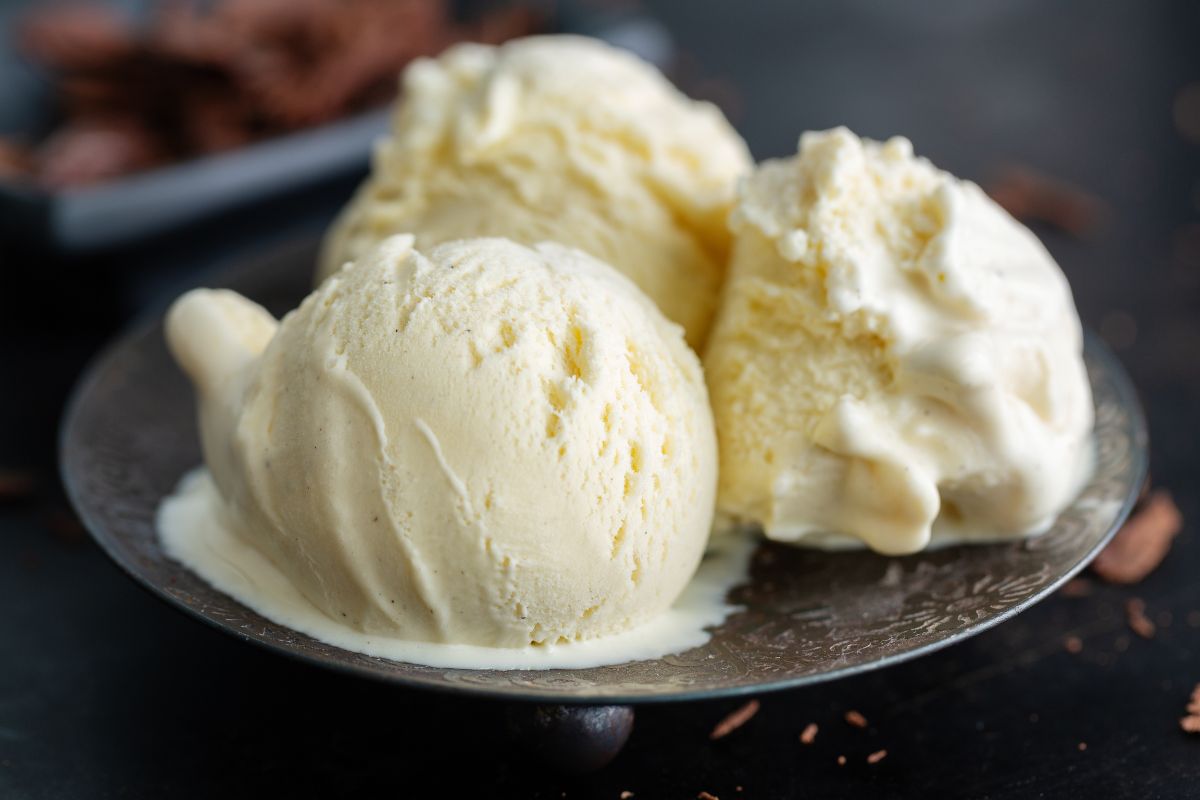
Getting a tooth removed can feel intimidating, but the right aftercare makes recovery smooth and comfortable. One of the most common questions patients ask is: “Can I eat ice cream after a tooth extraction?”
The short answer—yes, you can! Cold, soft foods are generally soothing in the first 24 hours. But there are important rules to follow so you don’t irritate the extraction site or delay healing.
Whether you just had your procedure or are preparing for one with your dentist, this guide from Benchmark Dental explains everything you need to know.
Why Ice Cream Is Often Recommended After Tooth Extraction
Ice cream is usually considered “safe” after an extraction because:
- It’s Cold and Soothing
Cold helps reduce swelling and inflammation, especially within the first 24 hours. It can also temporarily numb the area, offering comfort.
- The Soft Texture Is Gentle
Soft foods prevent trauma to the extraction site. Ice cream requires no chewing—which is ideal when your mouth is healing.
- It Encourages Calorie Intake
Some patients find it difficult to eat after surgery. Ice cream helps you get calories without discomfort.
However, not all ice cream is safe, and timing matters. Knowing how and when to eat it makes a big difference.
How to Safely Eat Ice Cream After Your Extraction
- Choose Plain, Smooth Varieties
Stick to:
‣ Vanilla
‣ Chocolate
‣ Strawberry (without chunks)
‣ Soft-serveAvoid anything that contains:
‣ Nuts
‣ Cookies
‣ Caramel pieces
‣ Hard chocolate chunks
These can get lodged in the extraction site and interfere with healing.
- Avoid Using a Straw
Even though ice cream is soft, many people pair it with milkshakes. Do not drink through a straw.
Suction can dislodge the blood clot and cause dry socket, one of the most painful post-extraction complications. - Keep It Moderately Cold
Extremely cold ice cream may cause sensitivity. Let it sit for a minute before eating. - Portion Control
Your mouth may be tender. Start with just a few spoonfuls and see how you feel before eating more.
When Ice Cream May Not Be the Best Option
While ice cream works for many patients, there are situations where you should be cautious:
- If You’re Sensitive to Sugar
High sugar levels may irritate the area or increase bacteria. - If You Have Dental Sensitivity
Cold may worsen pain in nearby teeth. - If You’ve Had Multiple Extractions
Soft foods are still needed, but too much ice cream can be hard on your stomach when recovering from sedation or antibiotics.
If any discomfort occurs, switch to other gentle foods like applesauce, yogurt, or mashed potatoes.
Safe Food Timeline After Tooth Extraction
Our Windsor dentist gives personalized instructions, but this is a helpful general guideline:
First 24 Hours
Stick to:
-
Ice cream
-
Jello
-
Smooth yogurt
-
Pudding
-
Broth (lukewarm)
Avoid anything hot, spicy, crunchy, or chewy.
24–48 Hours
You can begin adding:
-
Mashed potatoes
-
Scrambled eggs
-
Smooth soups
-
Oatmeal (soft and cooled)
-
Cottage cheese
Day 3–7
As swelling decreases, try:
-
Soft pasta
-
Baked fish
-
Rice
-
Pancakes
Avoid chips, nuts, popcorn, crusty bread, and anything that breaks into sharp pieces.
Foods to Avoid After Tooth Extraction
Certain foods can irritate the extraction site or lead to complications. For safe healing, avoid:
-
Spicy foods
-
Crunchy foods (chips, nuts, raw veggies)
-
Sticky foods (caramel, gummies)
-
Alcohol
-
Carbonated drinks
-
Hot soups or beverages
-
Straws of any kind
These can break the clot, trigger dry socket, or slow recovery.
Benefits of Following the Right Diet After Extraction
Eating the right foods helps you:
-
Reduce swelling
-
Prevent infection
-
Support clot formation
-
Maintain energy
-
Heal faster
-
Avoid pain and complications
Your comfort and recovery depend heavily on what you eat in the first few days. Ice cream can be part of that—just consume it correctly.
Signs You May Be Eating the Wrong Foods
Stop ice cream or other soft foods if you notice:
-
Throbbing pain that increases after 2–3 days
-
Bad taste or foul odor
-
Visible opening where the clot should be
-
Pain spreading to the ear or jaw
These are symptoms of dry socket and require prompt dental attention.
When Ice Cream Is Actually Helpful vs. Harmful
Helpful When:
-
You eat smooth, soft versions
-
It’s used in the first 24–48 hours
-
You keep it cold—not frozen hard
-
You avoid straws and chewing
Harmful When:
-
You choose versions with toppings or hard add-ins
-
You consume too much sugar
-
The cold increases sensitivity
-
You’re using it as your only source of nutrition
Balance is key—ice cream is a comfort food, not a diet plan.
FAQs
Q. How soon after extraction can I eat ice cream?
A. You can eat ice cream right away, as long as it’s soft and plain.
Q. Can I eat milkshakes instead of ice cream?
A. Yes, but avoid using a straw. Drink from a spoon or cup instead.
Q. Is chocolate ice cream okay after a tooth extraction?
A. Yes—just make sure it doesn’t have chunks, nuts, or cookie pieces.
Q. Why can’t I eat crunchy toppings?
A. They can get stuck in the extraction site or dislodge the clot, causing dry socket.
Q. Can ice cream cause dry socket?
A. Ice cream itself won’t, but using a straw or chewing toppings can.
Q. When can I start eating regular food again?
A. Most people transition to normal foods after 7–10 days, depending on healing.
Q. Is soft-serve safer than regular ice cream?
A. Yes. It’s smooth and requires no chewing.
Q. What other cold foods help with healing?
A. Yogurt, smoothies (without straws), applesauce, and pudding work well.
Q. Can I eat dairy after extraction?
A. Yes—dairy is safe after a tooth extraction unless your dentist advises otherwise.
Final Thoughts
Yes—you can eat ice cream after a tooth extraction, and for many patients, it’s a soothing option. Just be sure to choose soft, plain flavors and avoid anything crunchy or chewy. Pair it with other soft foods to support healing and follow your aftercare instructions carefully.
If you have concerns about pain, swelling, unusual symptoms, or what you can safely eat, don’t hesitate to reach out to our Windsor team for guidance.