
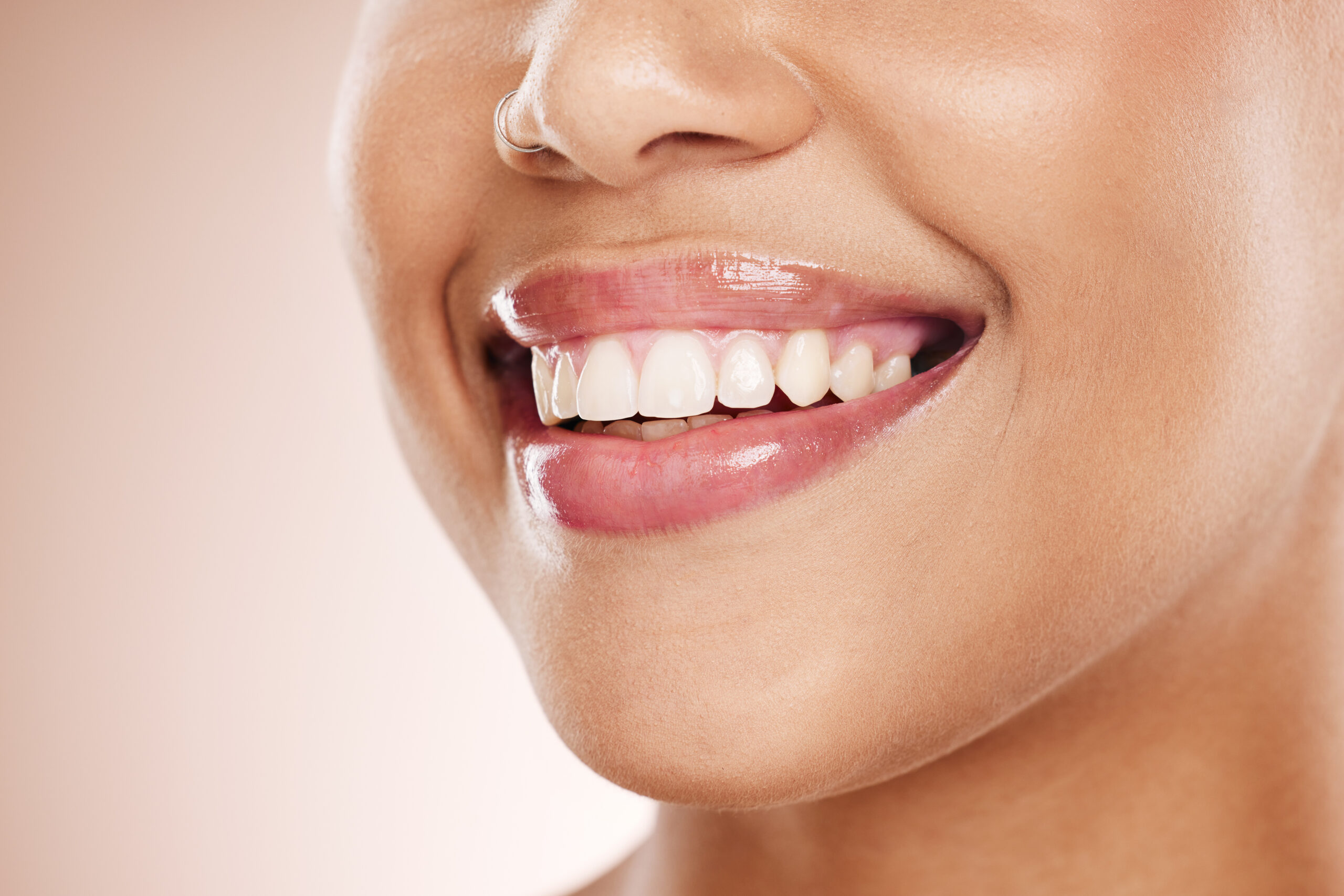
Many adults begin thinking about cosmetic dental care after noticing small changes in their smile. A tiny chip from years ago, slight gaps that show in photos, or discoloration that doesn’t respond to whitening can all lead people to explore subtle improvements. In a community like Firestone—where professional settings, social events, and outdoor gatherings are part of everyday life—feeling confident in your smile can make a meaningful difference.
Two treatments that often come up during these conversations are dental bonding and veneers. Both can improve the appearance of teeth, but they work in different ways and are suited to different situations. Patients exploring options such as a cosmetic bonding treatment often want to understand how it compares to veneers before deciding which approach makes the most sense for their goals.
What Is Dental Bonding?
Dental bonding is a conservative cosmetic procedure that uses a tooth-colored resin material to improve the appearance of a tooth. The material is carefully applied, shaped, and polished so it blends naturally with surrounding teeth.
Because bonding usually requires little to no enamel removal, it is considered one of the most minimally invasive cosmetic options available. The procedure can often be completed in a single visit.
Dentists commonly use bonding to address small cosmetic concerns such as:
- Minor chips along the edge of a tooth
- Small gaps between teeth
- Slight discoloration or staining
- Teeth that appear a little short or uneven
- Subtle reshaping to improve symmetry
For many patients, bonding offers a straightforward way to refine small imperfections without making permanent structural changes to the tooth.
What Are Porcelain Veneers?
Porcelain veneers are thin, custom-made shells designed to cover the front surface of a tooth. These restorations are crafted from durable ceramic materials that mimic the appearance of natural enamel.
Once bonded into place, veneers can change several aspects of a tooth’s appearance, including color, shape, size, and perceived alignment. This makes them useful when patients are looking for more comprehensive cosmetic improvements.
Some of the situations veneers can address include:
- Teeth with deep discoloration that whitening cannot improve
- Small spacing issues or uneven tooth shapes
- Chips or worn edges affecting multiple teeth
- Older dental work that needs aesthetic improvement
Patients who want a more uniform smile sometimes explore porcelain veneers for smile enhancement because the material is durable and designed to maintain its appearance for many years with proper care.
Bonding vs Veneers: Key Differences
Although both treatments aim to improve smile aesthetics, several important differences help determine which option may be more appropriate.
Treatment complexity
Bonding is generally simpler and often completed in a single visit. Veneers usually require multiple appointments, including planning, preparation, and final placement.
Longevity
Porcelain veneers typically last longer than bonding because ceramic materials are highly resistant to staining and wear. Bonding materials are durable but may need occasional touch-ups over time.
Cost considerations
Bonding is usually less expensive because it involves fewer materials and less laboratory work. Veneers tend to be a larger investment due to custom fabrication.
Tooth preparation
Bonding typically requires little or no removal of tooth structure. Veneers usually involve removing a thin layer of enamel so the restoration fits naturally.
Cosmetic capability
Bonding works well for small, localized changes. Veneers are better suited for broader aesthetic adjustments across multiple teeth.
Understanding these distinctions helps patients and dentists determine which treatment aligns with the individual’s goals and oral health needs.
When Dental Bonding May Be the Right Choice
Bonding is often recommended when cosmetic concerns are relatively minor and limited to one or two teeth.
Situations where bonding may work well include:
- Repairing a small chip after an accident or years of wear
- Closing a narrow gap between front teeth
- Covering a small stain that whitening cannot remove
- Improving the shape of a slightly uneven tooth
Because the process is conservative, many dentists view bonding as a practical option when subtle improvements are all that’s needed.
When Veneers May Be Recommended
Veneers may be considered when patients want a more comprehensive change to the appearance of their smile.
Dentists may suggest veneers when concerns involve:
- Multiple cosmetic issues affecting several teeth
- Discoloration that is resistant to whitening treatments
- Teeth that appear uneven or worn
- A desire for a more uniform smile design
Porcelain veneers are often chosen when durability and long-term aesthetic stability are important considerations.
How Dentists Help Patients Choose Between Bonding and Veneers
Choosing between bonding and veneers usually begins with a detailed conversation about a patient’s goals and concerns. Many individuals seeking aesthetic dental improvements in communities like Firestone are not looking for dramatic changes—they simply want their smile to feel more balanced and natural.
During an evaluation, a dentist typically looks at several factors:
- The condition and strength of the teeth
- The overall symmetry of the smile
- Bite alignment and functional considerations
- The number of teeth involved in the cosmetic concern
- Long-term maintenance and durability
In many cases, dentists take a conservative approach first. If a minor adjustment can achieve the desired improvement, bonding may be recommended. When broader changes are necessary to create harmony across the smile, veneers may provide a more predictable result.
Considering Your Options for Smile Improvements
If you’ve noticed small imperfections in your smile and are curious about possible solutions, it can be helpful to have a conversation with a dental professional about what may be appropriate for your situation.
Patients who wish to explore their options can schedule a visit at our Firestone dental office to discuss aesthetic concerns, learn about available treatments, and receive guidance tailored to their goals and oral health needs.
FAQs
Is dental bonding permanent?
Bonding is considered a long-lasting cosmetic solution, but it is not permanent. The material can wear over time and may eventually need polishing, repair, or replacement depending on habits and oral health.
How long do veneers typically last?
Porcelain veneers often last many years with proper care. Maintaining good oral hygiene and attending regular dental visits helps protect the restoration and surrounding teeth.
Does bonding damage natural teeth?
In most cases, bonding does not harm the natural tooth structure. Because the procedure usually involves minimal preparation, it is considered a conservative cosmetic option.
Can veneers fix small gaps between teeth?
Yes. Veneers can be designed to slightly widen the visible surface of a tooth, allowing dentists to close small spaces while maintaining natural proportions.
Which option is more affordable?
Bonding generally costs less than veneers because it requires fewer materials and less laboratory work. However, the most appropriate option depends on the extent of the cosmetic concern and long-term goals.


