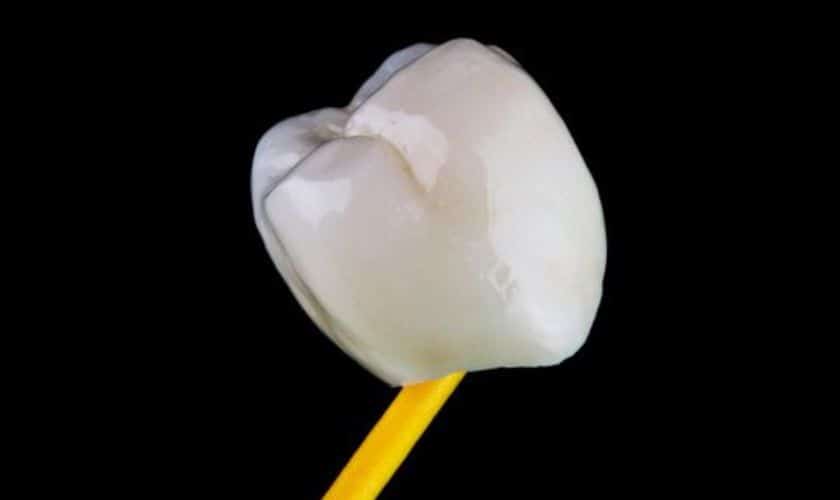
Restorative dentistry plays a pivotal role in enhancing both the function and aesthetics of damaged or compromised teeth. Among the various tools and techniques available, dental crowns stand out as versatile and effective solutions. Let’s delve into the significance of dental crowns in restorative dentistry, exploring their uses, benefits, and the transformative impact they can have on oral health.
Understanding Dental Crowns:
Dental crowns, often referred to as caps, are custom-made prosthetic devices designed to encase a damaged or weakened tooth. Crafted from durable materials such as porcelain, metal, or a combination of both, these crowns provide a protective shield, restoring the tooth’s strength, shape, and overall functionality.
The Versatility of Dental Crowns:
Restoring Structural Integrity: Dental crowns are employed to reinforce teeth that have undergone extensive decay, large fillings, or fractures. By encasing the tooth, crowns provide stability and prevent further damage.
Protection After Root Canal Therapy: Following a root canal procedure, a tooth may become more brittle. A dental crown acts as a protective barrier, shielding the treated tooth from potential fractures and preserving its longevity.
Cosmetic Enhancements: Beyond functionality, dental crowns play a crucial role in enhancing the aesthetics of a smile. They are used to cover discolored, misshapen, or poorly aligned teeth, contributing to a more pleasing and harmonious appearance.
Support for Dental Bridges: Dental crowns are integral components of dental bridges, providing support and anchorage for the replacement teeth. This ensures a secure and stable restoration for patients with missing teeth.
The Dental Crown Procedure:
The dental crown placement process is a meticulous and personalized procedure:
Consultation and Examination: The dentist evaluates the patient’s oral health, discusses concerns, and determines the need for a dental crown.
Tooth Preparation: The damaged tooth is prepared by removing a small portion of enamel, creating a space for the crown to fit securely.
Impression: An impression of the prepared tooth is taken to ensure the custom-fit crown aligns seamlessly with the patient’s bite.
Temporary Crown (if necessary): While waiting for the permanent crown to be fabricated, a temporary crown may be placed to protect the tooth.
Permanent Crown Placement: Once the permanent crown is ready, it is bonded to the prepared tooth with dental cement, completing the restoration process.
Benefits of Dental Crowns in Restorative Dentistry:
Enhanced Functionality: Dental crowns restore the natural function of teeth, allowing patients to chew and speak with ease.
Longevity: Well-maintained dental crowns can last for many years, providing a durable solution for tooth restoration.
Improved Aesthetics: Dental crowns contribute to a more attractive smile by covering imperfections and enhancing tooth appearance.
Prevention of Further Damage: Crowns protect weakened teeth, preventing additional deterioration and the need for more extensive dental work.
Conclusion:
Dental crowns play an indispensable role in restorative dentistry, offering versatile solutions to address both functional and aesthetic concerns. Whether reinforcing a weakened tooth, supporting a dental bridge, or enhancing the overall appearance of a smile, dental crowns provide patients with a reliable and durable option for achieving optimal oral health and well-being. If you’re considering restorative dentistry, consult with your dentist to explore how dental crowns can be tailored to meet your unique needs and restore your smile to its full potential.