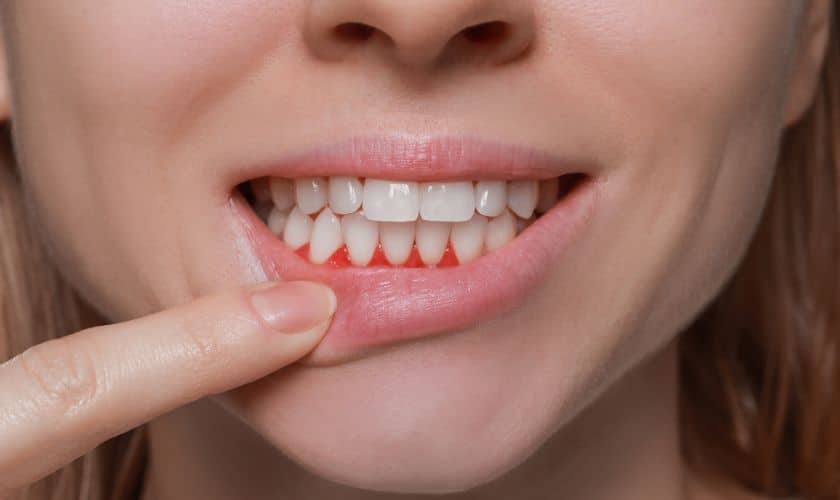
At Benchmark Dental, we understand the significance of oral health and its long-term impact on overall well-being. Neglected gum disease, if left untreated, can lead to severe consequences not only for your dental health but also for your general health. In this comprehensive guide, we delve into the intricacies of gum disease, the importance of timely treatment, and how orthodontic interventions can play a pivotal role in restoring oral health and enhancing overall quality of life.
The Significance of Gum Disease
Gum disease, also known as periodontal disease, is a prevalent condition characterized by inflammation and infection of the gums. It begins with the accumulation of plaque—a sticky film of bacteria—on the teeth, which, if not removed through proper oral hygiene practices, can harden into tartar and lead to gum irritation and infection.
Long-Term Implications of Neglected Gum Disease
Dental Health Complications
Untreated gum disease can have profound consequences for dental health. As the infection progresses, it can cause gum recession, leading to the exposure of tooth roots and eventual tooth loss. Moreover, advanced gum disease can compromise the supporting structures of the teeth, including the jawbone, resulting in tooth mobility and further tooth loss.
Systemic Health Risks
Beyond oral health, neglected gum disease has been linked to an array of systemic health issues. Research suggests that the bacteria associated with periodontal disease can enter the bloodstream, contributing to inflammation in other parts of the body. This chronic inflammatory response has been implicated in various conditions, including cardiovascular disease, diabetes, respiratory infections, and adverse pregnancy outcomes.
Importance of Timely Treatment
Given the potential ramifications of untreated gum disease, timely intervention is paramount. Gum disease treatment aims to eliminate infection, reduce inflammation, and prevent further damage to the gums and supporting structures. Depending on the severity of the condition, treatment options may include professional dental cleanings, scaling and root planing, antibiotic therapy, and surgical interventions such as gum grafting or flap surgery.
Orthodontics: A Key Component of Comprehensive Care
In addition to addressing existing gum disease, maintaining optimal oral health often requires addressing underlying structural issues that may predispose individuals to periodontal problems. This is where orthodontic interventions come into play. Orthodontic treatment, such as braces or aligners, can correct misaligned teeth, overcrowding, and bite irregularities, thereby facilitating more effective oral hygiene practices and reducing the risk of gum disease recurrence.
Benefits of Orthodontic Treatment for Periodontal Health
Improved Oral Hygiene: Properly aligned teeth are easier to clean, reducing the accumulation of plaque and tartar, which are primary contributors to gum disease.
Enhanced Periodontal Stability: Orthodontic treatment can help redistribute biting forces more evenly across the teeth, reducing excessive stress on the gums and supporting structures.
Facilitated Maintenance: After gum disease treatment, orthodontic appliances can aid in maintaining the results by ensuring proper tooth alignment and spacing, thereby minimizing the risk of relapse.
Neglected gum disease poses significant risks to both oral and systemic health, underscoring the importance of proactive dental care. Timely intervention and comprehensive treatment strategies, including gum disease treatment and orthodontic interventions, are crucial for preserving oral health, preventing complications, and promoting overall well-being.
At Benchmark Dental, we are committed to providing personalized dental services, evidence-based care to help our patients achieve optimal oral health and maintain beautiful smiles for years to come.