Children’s oral health lays the foundation for a lifetime of well-being, and one key player in preventing dental issues is the often-overlooked dental sealant. Dental sealants are a simple yet highly effective preventive measure that can make a significant impact on a child’s oral health.
In this blog post, we’ll delve into the reasons why dental sealants are considered essential for children and explore the benefits they offer.
Protecting Vulnerable Molars:
Dental sealants are typically applied to the molars, and the back teeth with deep crevices and fissures. These areas are notorious for trapping food particles and bacteria, making them highly susceptible to cavities. Sealants act as a protective barrier, sealing off these vulnerable surfaces and preventing the onset of tooth decay.
Early Intervention in Decay Prevention:
Children may not always practice optimal oral hygiene, and reaching every nook and cranny in the back teeth can be challenging. Dental sealants provide an extra layer of defense against decay, intervening at an early stage to halt the progression of cavities before they can cause more significant damage.
Painless and Non-Invasive Procedure:
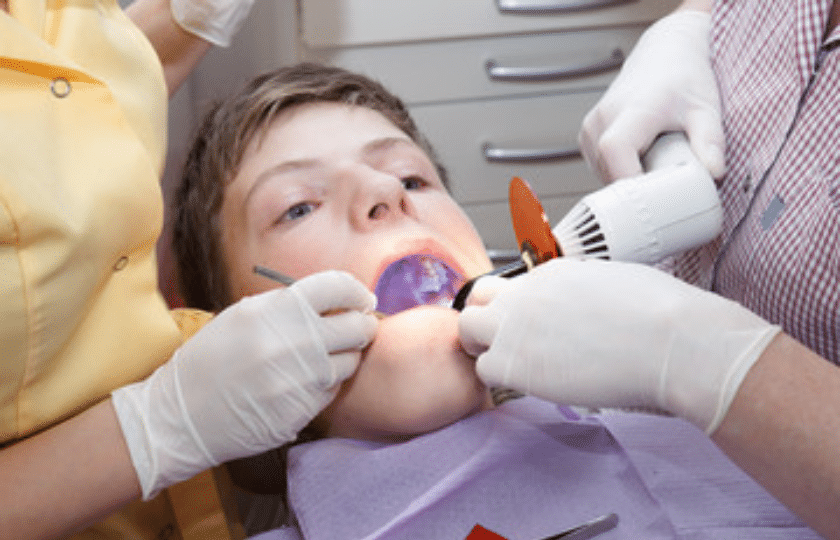
Applying dental sealants is a quick and painless procedure, making it an ideal solution for children. The sealant is simply painted onto the tooth surface and hardened, requiring no drilling or invasive measures. This non-invasive approach makes it more likely for children to cooperate, fostering a positive attitude toward dental care.
Cost-Effective Prevention:
Investing in dental sealants is a cost-effective strategy for preventing cavities. Compared to the expenses associated with treating tooth decay, applying sealants is a relatively affordable and proactive approach that can save both money and potential discomfort for the child.
Long-Lasting Protection:
Dental sealants are durable and can provide protection for several years. Their longevity ensures continuous defense during the formative years when children are most susceptible to cavities. Periodic check-ups with the dentist can help monitor the condition of the sealants and ensure they are effectively safeguarding the teeth.
Complementing Oral Hygiene Practices:
While regular brushing and flossing are essential components of oral care, dental sealants act as a complementary measure. They offer an extra layer of protection in areas where toothbrushes and floss may struggle to reach, providing a comprehensive defense against the forces of decay.
Conclusion:
In conclusion, dental sealants play a crucial role in safeguarding children’s oral health by providing a simple, non-invasive, and cost-effective defense against cavities. As part of a comprehensive preventive dental care plan, sealants can contribute significantly to maintaining a child’s bright and healthy smile for years to come. Parents and caregivers should consider consulting with their child’s dentist about the benefits of dental sealants as a proactive step toward preserving their little ones’ oral well-being.