Ever noticed tiny bumps popping up on your tongue that just won’t go away? You’re not alone. Many people experience these small, uncomfortable spots that can make eating or talking a little annoying. The good news is that most tongue bumps aren’t serious—but they can be a sign that something’s off in your mouth or body.
As a trusted dentist in Firestone, the team at Benchmark Dental often helps patients understand what these tongue bumps mean, how to treat them, and when it’s time to schedule a dental visit. Let’s take a closer look at what might be causing those pesky bumps and how to deal with them effectively.
What Are Those Little Bumps on Your Tongue?
Your tongue naturally has small bumps called papillae, which help you taste and feel food textures. However, when these bumps become inflamed, enlarged, or irritated, they can feel like new growths or sores.
Common signs include:
- Tiny raised spots on the tongue surface
- Pain, tenderness, or a burning sensation
- Color changes—white, red, or yellow bumps
- Swelling or discomfort while eating
While most cases are harmless and temporary, persistent or painful bumps could indicate an underlying issue that requires professional attention from a dentist.
Common Causes of Tongue Bumps
Here are some of the most frequent reasons people develop bumps on their tongues:
1. Irritation or Injury
Accidentally biting your tongue, eating spicy foods, or brushing too hard can cause irritation. These minor injuries can create swollen papillae that feel like bumps.
Tip: Avoid rough brushing and let your tongue heal naturally by sticking to soft foods for a few days.
2. Canker Sores
These small, round sores can appear on your tongue and are often painful. Stress, minor injuries, or certain foods can trigger them.
Treatment:
-
Rinse with warm salt water
-
Use over-the-counter numbing gels
-
Avoid spicy and acidic foods until healed
3. Lie Bumps (Transient Lingual Papillitis)
Lie bumps are temporarily inflamed papillae caused by irritation, stress, or infection. They often appear suddenly, feel tender, and typically go away on their own in a few days.
4. Allergic Reactions
Some people develop bumps due to food allergies, toothpaste ingredients, or mouthwash reactions. If you recently switched products or ate something new, this might be the cause.
Tip: Try eliminating potential irritants one at a time to find the culprit.
5. Oral Thrush
A white coating on the tongue with small bumps may signal a yeast infection called oral thrush. It’s more common in people with weakened immune systems or after antibiotic use.
Treatment: Antifungal medication prescribed by your dentist can help clear it up quickly.
6. Enlarged Taste Buds
Sometimes, your taste buds can simply become inflamed due to irritation, spicy food, or dehydration. Staying hydrated and avoiding irritants can reduce swelling.
7. Oral Cancer (Rare but Serious)
Although rare, persistent tongue lumps that don’t heal, bleed easily, or cause chronic pain could indicate something more serious, such as oral cancer. Early diagnosis is key, so don’t ignore these symptoms.
Always consult your dentist if the bumps last more than two weeks or feel unusual.
When to See A Dentist
While most tongue bumps disappear on their own, you should schedule a dental visit if you experience:
- Persistent or painful bumps lasting over two weeks
- Difficulty swallowing or speaking
- Red or white patches that don’t heal
- Unexplained swelling or bleeding
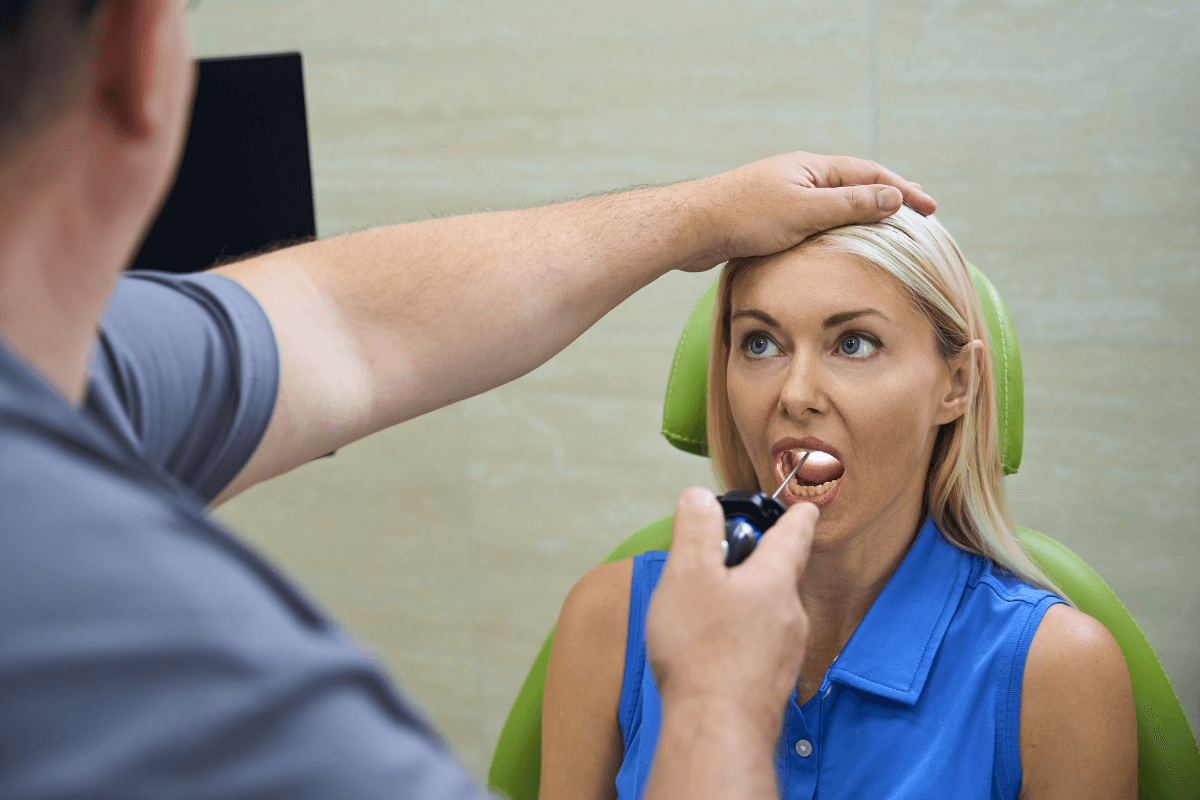
Our Firestone dentist can perform a thorough oral examination to rule out infections, allergies, or other conditions. In some cases, diagnostic tests may be recommended to ensure accurate treatment.
How to Prevent Tongue Bumps
Prevention starts with good oral care habits and lifestyle choices. Here’s how you can reduce the chances of developing tongue bumps:
- Brush and floss daily: Keep bacteria in check to prevent infections.
- Stay hydrated: A dry mouth can irritate your tongue.
- Avoid irritants: Spicy foods, acidic drinks, and tobacco can trigger bumps.
- Maintain dental checkups: Regular visits ensure any issues are caught early.
- Practice stress management: Stress can contribute to canker sores and inflammation.
Simple Home Remedies for Tongue Bumps
If you’re dealing with mild tongue irritation, try these soothing remedies:
- Warm salt water rinse: Reduces bacteria and promotes healing.
- Cold compress or ice chips: Eases pain and swelling.
- Honey: Natural antibacterial properties help calm inflammation.
- Baking soda rinse: Neutralizes acid and soothes the mouth.
Remember, while home care helps minor cases, professional care ensures lasting relief and accurate diagnosis.
FAQs About Tongue Bumps
1. Are tongue bumps contagious?
Most tongue bumps, like canker sores or irritation, aren’t contagious. However, infections like oral thrush can spread, especially through sharing utensils or toothbrushes.
2. Can stress cause bumps on my tongue?
Yes. Stress can weaken your immune system, making you more prone to canker sores and inflammation.
3. How long do tongue bumps take to heal?
Mild irritation usually improves in a few days, but if it lasts longer than two weeks, visit your dentist.
4. Should I pop a bump on my tongue?
Never! Popping or scraping can worsen the infection or cause bleeding. Let it heal naturally or seek dental advice.
5. Can poor oral hygiene cause tongue bumps?
Absolutely. Not brushing your tongue allows bacteria to build up, leading to inflammation, thrush, or infections.
Keep Your Tongue—and Smile—Healthy
Your tongue plays a major role in your oral health, from tasting food to aiding speech. Those small bumps may seem harmless, but they can sometimes signal irritation, infection, or an underlying issue that needs attention.
At our dental practice in Firestone, we’re here to help you identify the cause and guide you toward effective treatment. Whether it’s a minor irritation or a more persistent concern, our expert team ensures your mouth stays healthy and comfortable.
Taking good care of your tongue is just as important as brushing your teeth—so pay attention to the signs your mouth gives you and don’t hesitate to seek professional care when needed.