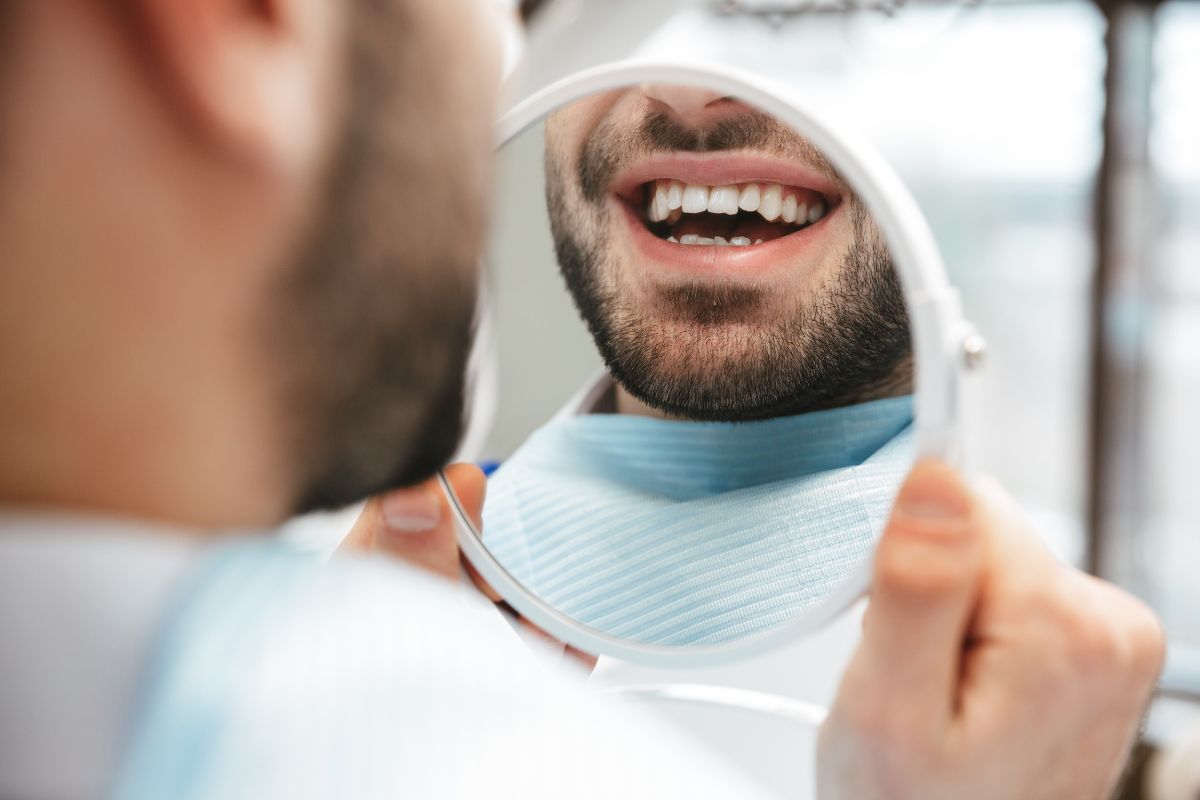
Finding a black spot on your tooth can be alarming. Whether it shows up suddenly or has been darkening over time, it often raises the same questions: Is it serious? Does it mean I have a cavity? Can it be removed?
This guide breaks down the most common reasons behind tooth discoloration, the signs that indicate a dental issue, and the best steps to take to protect your smile.
What a Black Spot on a Tooth Really Means
A black spot can appear on the enamel for many different reasons. Some are harmless, while others point to early or advanced dental problems. Here are the most common causes:
Tooth Decay (Cavities)
One of the most frequent reasons for a black spot is dental decay. When bacteria break down the enamel, the area first appears white and chalky. As decay advances, it turns brown or black.
You may notice:
-
Sensitivity to cold, hot, or sweet foods
-
A rough texture on the tooth
-
Pain when chewing
Early cavities are easier to treat, so seeing a dentist promptly is key.
Staining from Food, Drinks, or Tobacco
Not every black mark means a cavity. Some pigments cling to the enamel and create dark spots.
Top stain-causing sources include:
-
Coffee and tea
-
Red wine
-
Berries
-
Cigarettes or vaping
Unlike cavities, stains typically do not cause pain. These spots can often be polished off during a cleaning at Benchmark Dental.
Tartar Buildup
When plaque hardens into tartar, it can appear yellow, brown, or even black—especially along the gumline. Tartar cannot be removed at home and requires a professional cleaning.
You may notice:
-
Dark, crusty deposits between or behind teeth
-
Gum irritation
-
Bad breath
A dental cleaning is the most effective solution.
Old Fillings or Metal Restorations
Silver (amalgam) fillings may cast a dark shadow on the tooth over time. This isn’t dangerous, but some people choose to replace them with tooth-colored fillings for cosmetic reasons.
Additional Causes of Black Spots You Should Know About
Dark spots are not always related to poor oral hygiene. Some lesser-known causes include:
Enamel Hypoplasia
This condition forms when enamel doesn’t develop properly, leaving darker or pitted areas on the tooth. It can be genetic or caused by early childhood illness or trauma.
Trauma or Nerve Damage
A tooth that has been hit or injured may turn dark as the nerve dies. This discoloration can spread slowly and appear grayish-black.
Signs of dental trauma include:
-
Tooth darkening over weeks or months
-
Sensitivity
-
Gum swelling
Root canal treatment may be needed to save the tooth.
Medication-Related Staining
Certain medications, like liquid iron supplements, can cause black marks on teeth—especially on children’s smiles. These stains typically polish away easily.
How Dentists Diagnose a Black Spot
If you notice a black mark that doesn’t brush away, a dental visit is essential. Your dentist will examine the tooth and take X-rays if needed.
A proper diagnosis helps determine whether the spot is:
-
Superficial staining
-
Active decay
-
A crack or structural issue
-
Tartar buildup
-
A dying nerve
Our dentist in Firestone focuses on early detection, which often means quicker and more affordable treatment.
How a Black Spot on Your Tooth Is Treated
Treatment depends on the cause, severity, and location. Here are the most common solutions:
- Professional Cleaning
For stains or tartar, a thorough cleaning can remove pigment and buildup. Your smile may look brighter instantly. - Tooth-Colored Fillings
If decay is the culprit, removing the cavity and placing a composite filling restores the tooth’s health and appearance. - Dental Bonding
For minor defects or enamel issues, bonding can cover the dark spot and create a smooth, white surface. - Crowns
If the decay is deep or the tooth is weakened, a crown may be needed to protect it from further damage. - Root Canal Therapy
For teeth with nerve damage or infection, a root canal can remove the diseased tissue and save the tooth. - Teeth Whitening
Surface stains respond well to whitening treatments—especially professional options.
Can You Remove a Black Spot at Home?
Home remedies may help lighten some stains, but cannot treat cavities, tartar, or internal tooth problems.
Safe things you can do at home:
-
Brush twice daily with fluoride toothpaste
-
Use whitening toothpaste for surface stains
-
Rinse after drinking dark beverages
-
Floss daily to prevent buildup
Avoid:
-
Scraping teeth with sharp objects
-
Abrasive DIY whitening hacks
-
Delaying professional care
If the spot is persistent, only a dentist can determine the real cause.
When You Should See a Dentist
Schedule a dental visit if you notice:
-
A black spot that is spreading
-
Sensitivity or pain
-
A soft or sticky feeling on the tooth
-
Darkening after trauma
-
Gum swelling or bleeding
-
Spots that don’t brush off after a week
Early treatment prevents larger issues—and higher costs.
FAQs About Black Spots on Teeth
Q. Is a black spot always a cavity?
A. No. It may be a stain, tartar, or a shadow from a filling. A dental exam is the only way to know for sure.
Q. Can a cavity be black without hurting?
A. Yes. Many cavities cause no pain early on. Pain typically appears when decay reaches deeper layers of the tooth.
Q. Do black spots go away on their own?
A. No. Stains may lighten with brushing, but decay, tartar, and internal discoloration require professional care.
Q. Can whitening remove black spots?
A. Whitening can remove surface stains but cannot fix cavities or deep discoloration.
Q. Is it normal for kids to get black marks on their teeth?
A. Yes. Children often get stains from foods, medications, or iron supplements. Sometimes decay can also appear dark, so a dental visit helps confirm the cause.
Q. Can vaping cause black spots?
A. Yes. Vaping contributes to plaque buildup and staining that can darken teeth.
Q. How often should I visit a dentist to prevent this?
A. Most people benefit from dental checkups every six months. If you’re prone to tartar or staining, more frequent cleanings may help.
Keeping Your Smile Healthy Moving Forward
A black spot on your tooth isn’t something to ignore. While some marks are harmless stains, others can signal early decay, tartar buildup, or deeper dental issues. The sooner you identify the cause, the easier it is to protect your smile and prevent more serious problems.
Staying consistent with daily oral care, watching for changes in your teeth, and keeping up with regular dental visits can help ensure that any black spot is addressed quickly and effectively. Your smile deserves attention, and taking action early is the best way to keep it healthy, bright, and worry-free.